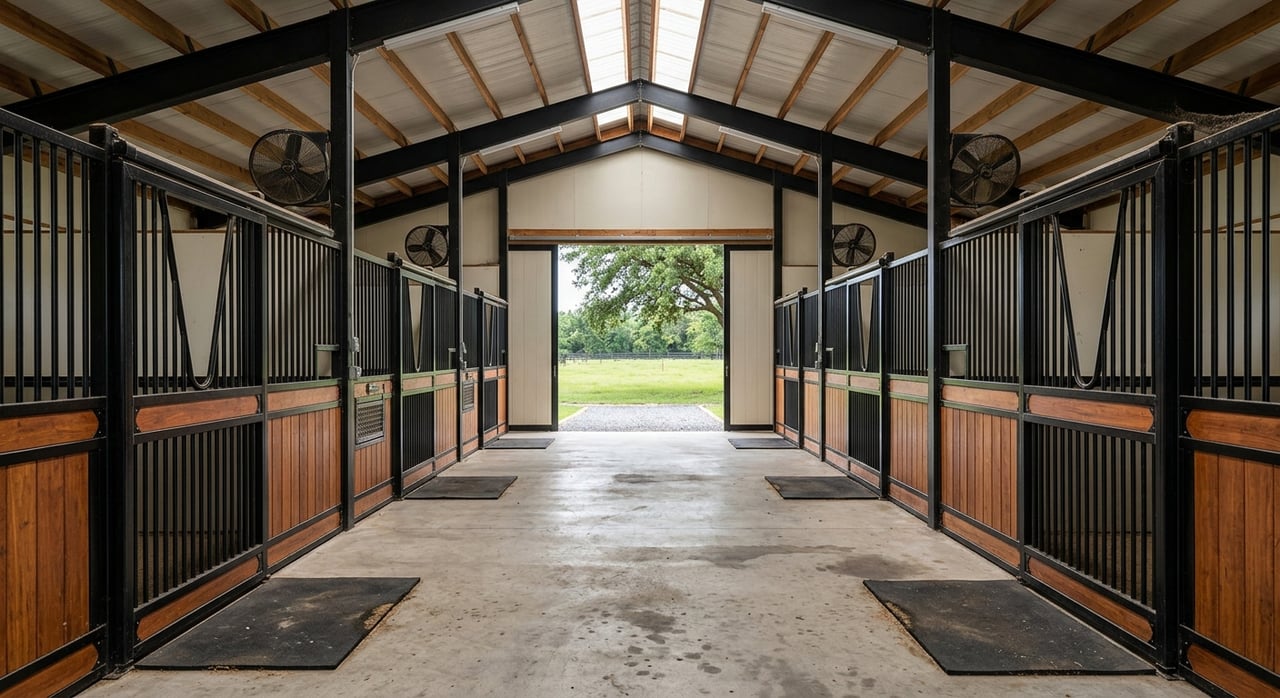
If you are shopping for horse property in Pilot Point, a pretty barn and a smooth-looking arena can hide expensive problems. You want a setup that works safely in real life, handles North Texas weather, and does not surprise you with major repairs after closing. This guide will help you look past first impressions and evaluate barns and arenas with more confidence. Let’s dive in.
Start With Permits And Property Status
Before you focus on stall fronts or footing, make sure the improvements are properly documented. In the City of Pilot Point, accessory buildings must be permitted, and structural changes that require a building permit also require a Certificate of Occupancy. The city also notes that plans must be approved by building, fire, engineering, and public works before a permit is issued.
In Denton County, a development permit is required for any improvement to property. New structures in FEMA flood zones can also require a finished-floor elevation certification, and occupancy is not allowed before a Certificate of Compliance under the county fire code. If a seller cannot clearly show what was permitted and finalized, treat that as a due diligence item, not a minor paperwork issue.
Ask direct questions early:
- Were permits pulled for the barn, arena, and related site work?
- Were final inspections completed?
- Was a Certificate of Occupancy or Certificate of Compliance issued when required?
- Was floodplain review part of the approval process?
Check Floodplain And Drainage First
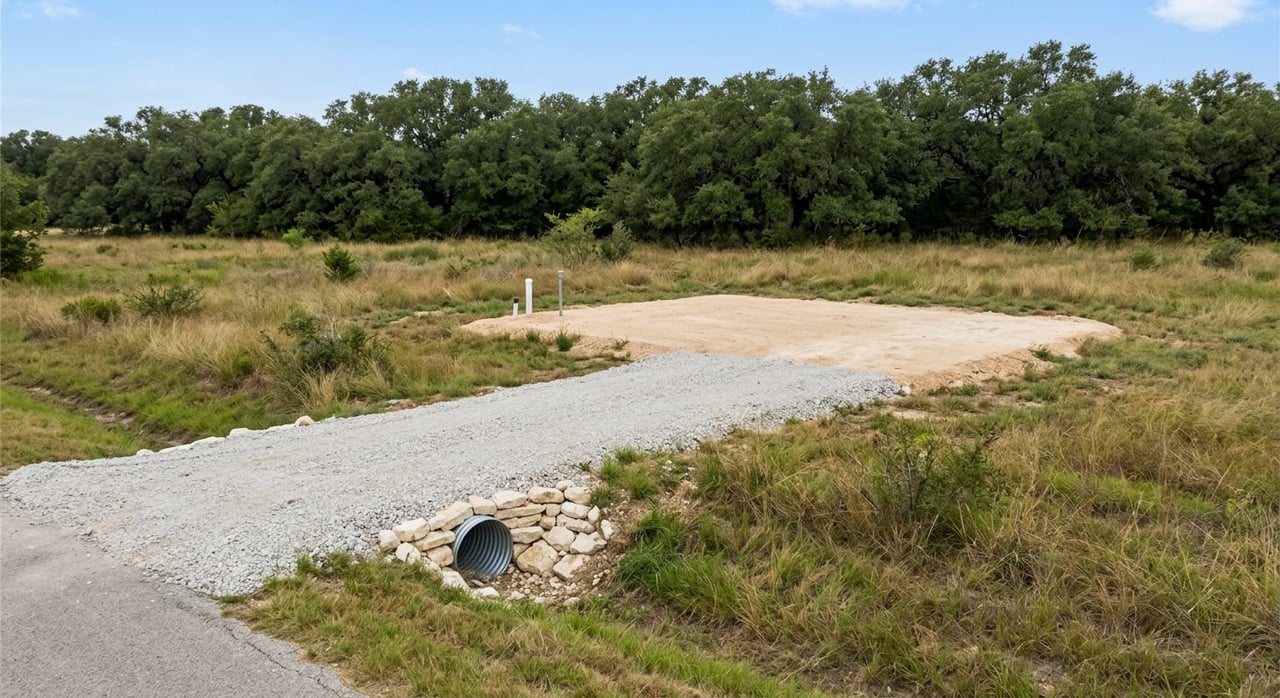
In Pilot Point, drainage can make or break an equestrian property. Denton County’s floodplain rules are meant to protect life, utilities, and property, and they regulate filling, grading, and other development in flood-prone areas. That means you should confirm whether the barn pad, arena base, driveway, or other improvements sit in or near a mapped flood area before you assume the site is fully usable.
This step matters even more because local soils can create added challenges. The Denton soil series is described as deep, well drained, and slowly permeable, formed in clayey materials over limestone. In practical terms, that can translate into grading and drainage costs that are much bigger than they appear at first glance.
What To Look For On Site
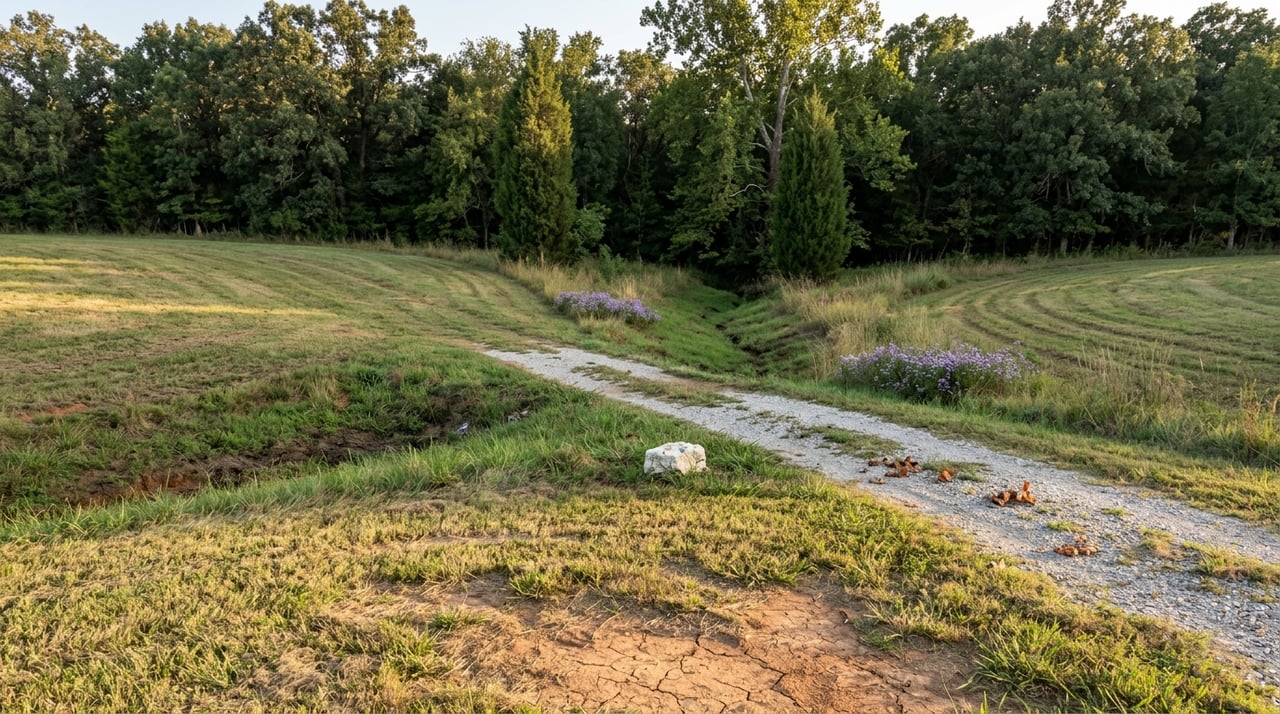
When you walk the property, pay attention to the way water likely moves after a storm. Low spots, muddy edges, erosion, and built-up material around structures can all point to drainage issues. A barn or arena can look fine on a dry day and still perform poorly in wet conditions.
For buyers, this is one of the biggest hidden-cost categories. Drainage correction is often expensive, and it can affect both daily use and long-term maintenance. If the site looks questionable, budget for more investigation before you write off concerns.
Evaluate The Barn Shell
A barn’s outer shell tells you a lot about how it has been maintained. Start by checking roof lines, leaks, rust, rot, loose panels, and sharp edges. Cosmetic wear is one thing, but signs of active water intrusion or structural deterioration can quickly become safety and budget problems.
If the barn is metal, look closely at the stall walls. Metal barns are often safer for horses when stalls are lined with wood or another protective covering that helps reduce injury if a horse kicks the wall. That detail may seem small, but it matters in everyday use.
Clear-Span Framing Adds Flexibility
Barn structure is not only about current condition. It also affects how easily the space can adapt later. Clear-span truss framing is valuable because it allows alternative use and easier remodeling compared with more restrictive layouts.
If you may want to change stall count, adjust hay storage, or rework interior space in the future, that flexibility has real value. A barn that is only average today may still be the better buy if it can be modified with less friction later.
Review Barn Layout For Safety
A workable barn layout should make daily chores safer and easier. Good design allows feeding and watering without forcing you to walk behind horses, and it should provide safe passage through doors, gates, and alleyways. A layout that feels awkward during a showing will usually feel worse during a busy day.
Look carefully at traffic flow for horses and people. Tight turns, narrow passages, or gate placement that creates congestion can make a barn harder to use than it first appears. Practical function matters just as much as finishes.
Pay Extra Attention To Wash Racks
Wash racks deserve a closer look because they combine water, movement, and electrical components. Slick floors and the mix of water and electricity make wash racks one of the more dangerous areas in a stable. If the floor looks slippery or drainage appears poor, note that as a safety concern.
A wash rack should feel intentional, not improvised. If it looks like an add-on with poor footing or questionable electrical placement, you may be looking at a future upgrade rather than a ready-to-use feature.
Check Ventilation In North Texas Heat
Hot weather is not a minor comfort issue in Pilot Point. Nearby NOAA normals for Dallas-Fort Worth Airport show average highs of 95.6 degrees in July and 95.8 degrees in August. While that is not parcel-specific data, it supports what local buyers already know: heat, dust, and water access are practical concerns on North Texas horse properties.
Barn ventilation should remove heat, stale air, fumes, and odors. In enclosed naturally ventilated barns, you want both inlets and outlets working together. Ridge vents, eave openings, and fan performance all matter more when summer heat settles in.
Warning Signs Inside The Barn
Trust your senses when you step inside. A strong ammonia smell is a warning sign that ventilation is not doing its job. Stuffy air, lingering moisture, or obvious hot spots can also point to design or maintenance problems.
Poor ventilation can lead to ongoing comfort and management issues, and fixing it after closing may require more than just adding a fan. If airflow seems weak, factor that into your cost picture.
Look Closely At Fire Safety
Fire safety should be part of your value analysis from day one. Useful barn features include multiple exits, fire-resistant materials, easy access to water, and hay storage that is separate from animal housing. A safer setup is not just better for operations. It can also reduce the chance of expensive corrective work later.
Common fuel sources in barns include hay, bedding, liquid fuels, wood, and cloth. Common ignition sources include faulty wiring, extension cords, smoking materials, motors, heaters, fans, and heat lamps. That is why a barn that appears functional can still carry meaningful risk.
Electrical Questions Worth Asking
Existing wiring is one of the most important things to review. Ask whether the wiring was done by a qualified electrician, whether extension cords are being used only temporarily, whether circuits are overloaded, and whether hay is stored away from wiring. These details often reveal whether a barn has been managed with long-term safety in mind.
Electrical remediation is one of the hidden costs buyers should take seriously. If the answers are unclear, budget for further inspection and possible upgrades instead of assuming everything is fine.
Assess Arena Base, Footing, And Drainage
An arena can look attractive from the rail and still be expensive to maintain. A typical riding arena surface has three layers: a top riding surface often 2 to 6 inches thick, a base around 6 to 8 inches thick, and a sub-base that supports drainage. If one layer is failing, performance can decline quickly.
Outdoor arenas often need a crown or another well-drained surface. Suggested crown slope is 1 to 2 percent. If the arena is flat in a way that seems convenient but water has nowhere to go, you may be looking at future repair work.
What Healthy Footing Often Includes
Sand is commonly used because it is durable and drains well. Coarse, well-sorted sand can improve drainage and reduce dust, while additives such as fiber can add stability, cushion, and drainage. Properly sized crushed rock may also help promote drainage and reduce compaction.
The key is not whether the footing sounds premium. It is whether the layers are performing well together. A good arena should feel consistent, drain well, and show signs of regular maintenance.
Red Flags Around The Fence Line
Edge condition tells you a lot. If footing is piling up along the fence, drainage can slow, and the arena may be holding water instead of shedding it. That is a repair warning, even if the riding surface looks acceptable during a quick tour.
Also look for ruts, compacted traffic lanes, and uneven depth. These issues can point to neglected dragging, poor redistribution, or a base problem underneath.
Budget For Ongoing Arena Maintenance
Even well-built footing does not stay perfect forever. As the primary component breaks down, dust can increase, and high-traffic areas can compact or rut. Many arenas need regular dragging or redistribution to stay usable.
Ask the seller how often the footing is watered and dragged. That simple question can tell you a lot about current condition and expected upkeep. It also helps you estimate whether the arena is truly ready to use or already heading toward topping off or replacement.
Compare Condition With Future Use
When you compare properties in Pilot Point, do not stop at whether the barn and arena work today. Think about whether they will still work if your needs change. A property with a flexible barn structure, safer layout, and sound drainage may be the better long-term fit even if another listing looks more polished on the surface.
This is especially true for equestrian buyers who need both lifestyle fit and practical function. The biggest hidden costs are often drainage correction, footing replacement, electrical remediation, ventilation upgrades, fire separation, and structural repair. Those are not small line items, so it pays to evaluate carefully before you make an offer.
If you want a grounded second opinion, this is where local experience matters. With equestrian background and hands-on construction knowledge, Lauren McCambridge helps buyers look beyond listing photos and focus on the details that affect safety, usability, and long-term value. When you are ready to evaluate horse property in Pilot Point with a practical eye, connect with Lauren McCambridge.
FAQs
What should you ask about barn permits in Pilot Point?
- Ask whether permits were pulled for accessory buildings and structural changes, whether final inspections were completed, and whether a Certificate of Occupancy or other required approval was issued.
Why does floodplain review matter for Pilot Point horse property?
- Floodplain review helps you confirm whether a barn pad, arena base, driveway, or other improvement may be affected by mapped flood areas, grading limits, or added development requirements.
How can you tell if a horse barn has poor ventilation?
- Warning signs include strong ammonia smell, stale air, lingering moisture, obvious hot spots, and weak airflow from ridge vents, eave openings, or fans.
What are common red flags in a riding arena?
- Watch for footing piled at the fence line, standing water, ruts, compacted high-traffic areas, uneven depth, and signs that the surface is not draining or being maintained properly.
What hidden costs should buyers watch for in Pilot Point barns and arenas?
- The biggest hidden costs often include drainage correction, footing replacement, electrical remediation, ventilation upgrades, fire separation improvements, and structural repairs to roof framing or stall materials.