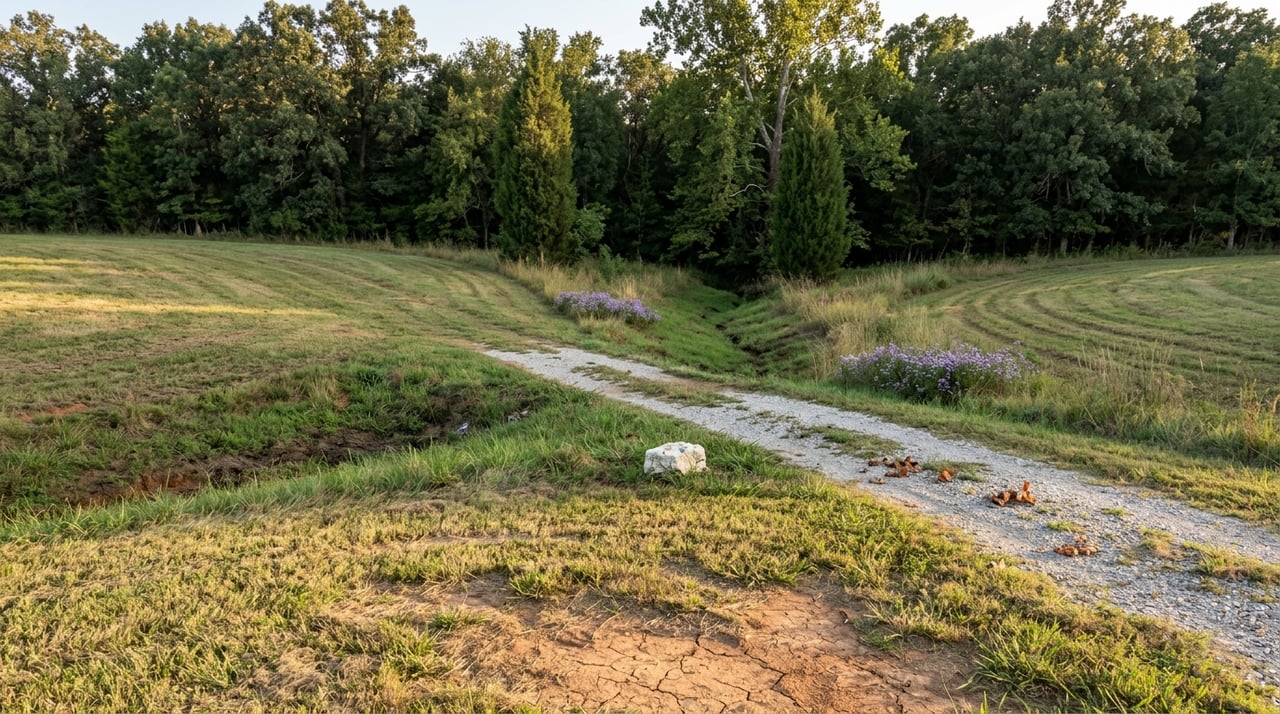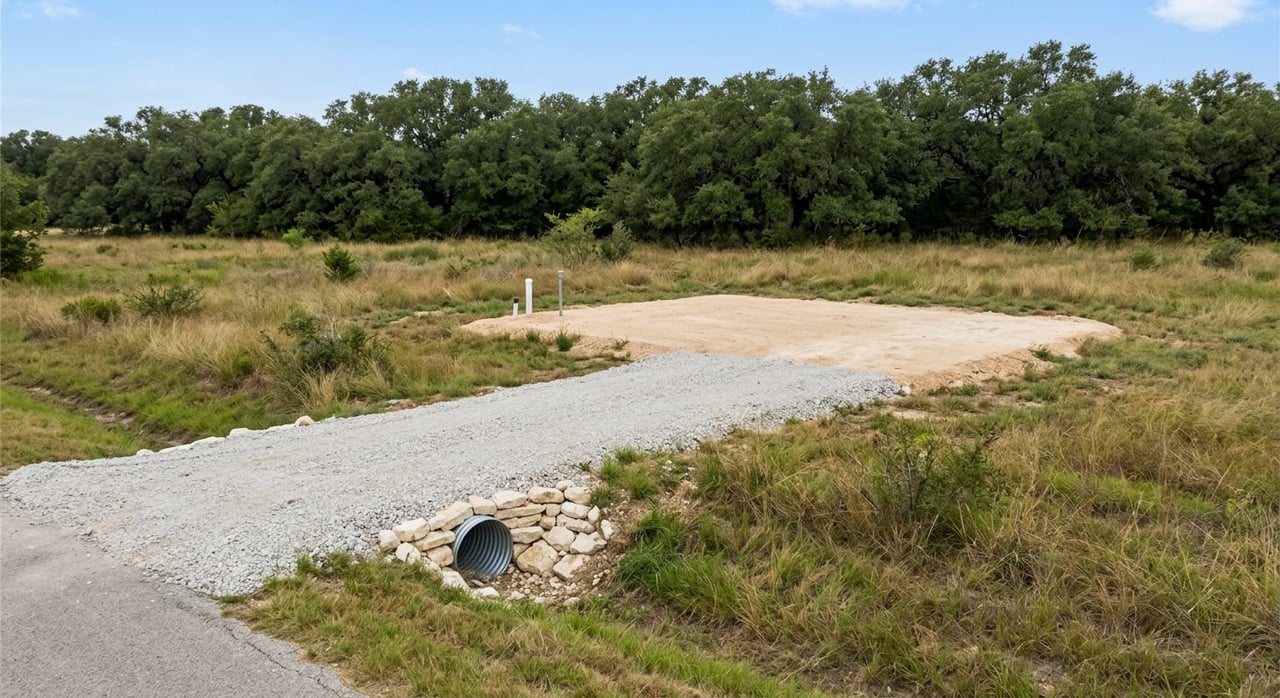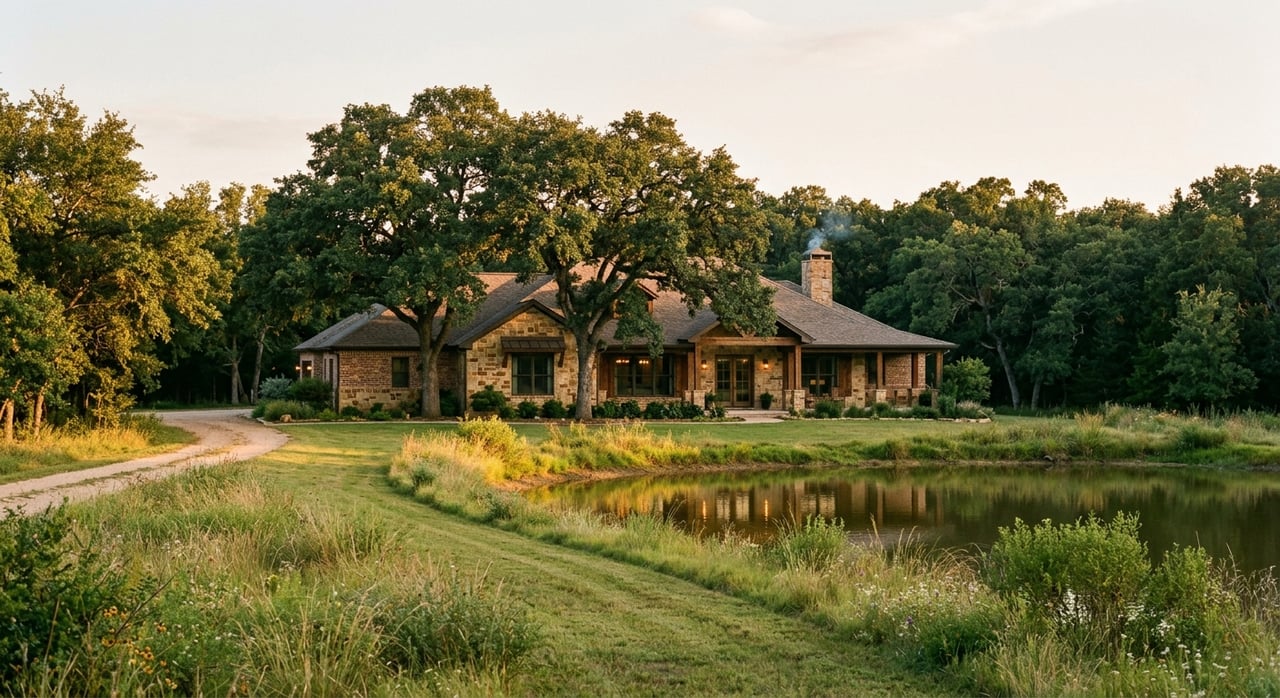
If you have been priced out of some North Texas land searches, Marietta may already be on your radar. For many buyers, it offers a practical mix of ranch-oriented acreage, regional access, and a location that still feels connected to North Texas goals and lifestyles. In this guide, you’ll see why Marietta, Oklahoma keeps showing up in ranch land conversations, what kinds of properties buyers may find there, and what due diligence matters most before you buy. Let’s dive in.
Why Marietta draws North Texas buyers
Marietta sits in Love County, where agriculture is a major part of the land base. The USDA’s 2022 county profile shows 571 farms across 172,073 acres, including 100,318 acres of pastureland, 34,960 acres of cropland, and 28,731 acres of woodland. That land mix helps explain why buyers looking for grazing ground, horse property, or mixed-use acreage often look here.
The area also has strong transportation access for a rural market. Official county and state mapping information shows Marietta is served by I-35, SH 32, SH 77, US 77, and the BNSF railroad. For buyers coming from North Texas, that kind of access can matter when you are thinking about drive times, hauling, and managing a property over time.
Love County supports ranch use
The numbers point to a county with a clear ranch identity. According to the USDA profile, 86% of farm sales in Love County came from livestock, poultry, and related products. Cattle and calves accounted for the largest livestock value, and horses and ponies were also a meaningful category.
That matters because buyers are not just shopping abstract acreage. They are often looking for land that fits real use cases such as cattle, horses, hay production, or a blend of ranch and recreation. In Marietta’s area, the countywide land-use profile supports that kind of search.
Pasture leads the land mix
Pastureland is the biggest category in Love County at 100,318 acres. For many ranch buyers, that is an important signal because it suggests the county is heavily oriented toward open, usable land rather than only dense timber or small fragmented tracts.
Cropland and woodland add variety to the picture. With 34,960 acres of cropland and 28,731 acres of woodland, buyers may also come across tracts with a mix of open ground, tree cover, and different use potential depending on the parcel.
Buyers may find more than cattle ground
The county profile also lists forage and hay among top crops, along with pecans. Combined with the livestock mix, that suggests some buyers may find properties that work for horses, mixed agricultural use, or recreational ownership with some productive ground.
In plain terms, Marietta is not only a place for one type of ranch buyer. If you want acreage that balances utility, flexibility, and outdoor appeal, this area can check several boxes at once.
Value is part of the appeal
For many North Texas buyers, price is one of the biggest reasons to expand a search across the state line. Oklahoma State University’s county land-values table shows Love County at a three-year weighted average of $4,019 per acre. That compares with $3,345 per acre for the South-Central Oklahoma region and $2,771 per acre statewide.
That means Love County was about $1,250 per acre above the statewide Oklahoma average on that measure. Even so, some Texas comparison points still run higher. The Dallas Fed’s Q4 2025 survey reported average ranchland value at $5,250 per acre in Cross Timbers and $7,000 per acre in North Central Texas, while the Texas Real Estate Research Center reported $9,159 per acre in Northeast Texas for Q4 2025.
Compare carefully across states
These numbers are useful, but they are not exact apples-to-apples comparisons. The Oklahoma figure is a weighted average of county sales, the Dallas Fed data comes from banker survey responses, and the Texas Real Estate Research Center reports verified sales samples and median prices.
Still, the overall direction is clear. Buyers who are searching North Texas first may see Marietta as a way to stay within reach of the region while exploring land values that can look more favorable than some nearby Texas markets.
Demand is active, but selective
The Dallas Fed also noted that land demand had started to slow under higher interest rates, and many transactions involved 1031 exchange funds. That suggests buyers are still participating in the broader region, but they may be more careful and selective than they were during hotter market periods.
For you, that can mean two things. First, the right property still gets attention. Second, strong due diligence matters even more because buyers want land that truly fits their goals, not just any acreage that comes available.
Outdoor appeal adds another layer
Marietta’s draw is not only about ranch economics. The broader area also offers outdoor amenities that support recreation-focused ownership and second-home interest.
Love Valley Wildlife Management Area covers 7,746 acres in south-central and eastern Love County. It is described as predominantly post oak-blackjack timber and bottomland hardwoods, with deer, turkey, quail, waterfowl, primitive camping, and fishing opportunities tied to Lake Texoma.
Lake Murray State Park is another nearby draw. TravelOK describes Marietta Landing on the southernmost tip of Lake Murray as offering wooded camping, a boat ramp, and lake access, while the park is known for outdoor, water-sport, and ATV activity.
Ranch and recreation can overlap
For some buyers, these nearby features make the area more appealing as a lifestyle purchase. A tract that supports horses, grazing, or weekend use may feel more valuable when it also puts you near established outdoor destinations.
That can be especially attractive if you are looking for a second property, a family retreat, or acreage that serves both practical and recreational goals. In markets like this, land use and lifestyle often go hand in hand.
Access matters more than buyers think
When you buy rural property, the map matters almost as much as the acreage. Marietta’s position near I-35 and US 77 gives buyers a practical connection back to North Texas and other regional hubs. That is one reason the area stays in the search pattern for cross-border buyers.
Good access can affect how often you use the property and how easy it is to operate. Whether you are thinking about livestock, equipment, building plans, or a weekend place you can reach without a major hassle, road access deserves close attention.
Check utility setup early
Inside the city, water and sewer are handled by the Marietta Public Works Authority. Outside the city, the picture can be very different.
According to the Oklahoma Department of Environmental Quality, many rural homes and businesses rely on onsite sewage systems. The same state guidance on private wells makes clear that private well owners are responsible for testing and assuring water quality.
Water questions should come first
The Oklahoma Water Resources Board says groundwater is treated as private property belonging to the overlying surface owner, domestic use does not require a water permit, and other uses plus groundwater well drilling are regulated. For a ranch buyer, that means water is not something to assume your way through.
Before closing, confirm whether a property is on public water, a private well, septic, sewer, or some combination of those systems. You will also want to understand well history, current capacity, and any practical limits that could affect your intended use.
Cross-border buyers should verify tax details
If you are moving your land search from Texas into Oklahoma, do not assume the rules work the same way. They do not.
Texas Comptroller guidance says qualifying farm and ranch land can be appraised on productivity value rather than market value, and wildlife management use may also qualify. Oklahoma’s ad valorem rules say agricultural land is valued using a use-value methodology based on factors that include income capitalization, cash rent, soil types, soil productivity, and approved use categories.
Appraisal systems differ by state
In Oklahoma, county assessors appraise property, compute ad valorem taxes, and check exemptions under Oklahoma Tax Commission oversight. That means parcel-level tax treatment should be verified locally rather than assumed from your past experience in Texas.
Sales-tax and equipment-purchase rules also differ. Oklahoma offers an agricultural exemption permit for qualifying farm and ranch purchases, while Texas uses an Ag/Timber Number for certain agricultural and timber exemptions.
Verify before you commit
If you are serious about a Marietta-area property, check with the county assessor and your legal and tax professionals before you close. State-specific rules around valuation, exemptions, wells, and septic systems can affect long-term ownership costs and how you plan to use the land.
What smart buyers focus on in Marietta
The best ranch purchases are not driven by price alone. They are driven by fit.
When you tour land in and around Marietta, pay close attention to the basics that shape long-term value and usability:
- Access from major roads and the condition of entry points
- The balance of pasture, cropland, and woodland on the tract
- Existing water sources and whether the property uses public water or a private well
- Sewer or septic setup and any needed inspections
- How the acreage supports your actual goals, whether that means cattle, horses, recreation, or a blend of uses
- County-level tax and agricultural-use questions that need local verification
For buyers coming from North Texas, Marietta often makes sense because it can offer ranch-oriented land, practical regional access, and a different value conversation than some Texas markets. The key is knowing how to evaluate the land in a way that matches your plans and respects Oklahoma-specific rules.
If you want help sorting through ranch land, horse property, or mixed-use acreage in Southern Oklahoma and North Texas, Lauren McCambridge offers practical, boutique guidance built around rural property goals, boots-on-the-ground insight, and clear communication.
FAQs
Why do North Texas buyers search for ranch land in Marietta, Oklahoma?
- Many buyers are drawn to Marietta because Love County has a ranch-heavy land base, strong access via I-35 and US 77, and land values that may compare favorably with some North Texas markets.
What kind of land is common around Marietta, Oklahoma?
- Love County includes a large amount of pastureland, along with cropland and woodland, so buyers may find cattle ground, horse property, mixed-use acreage, and recreational tracts.
Are Marietta ranch properties mainly for livestock use?
- Livestock is a major part of the county’s agricultural economy, but the land mix and crop profile also suggest potential for horses, hay production, pecan-related ground, and recreational use depending on the tract.
What utilities should buyers check on rural property near Marietta?
- You should confirm whether the property has public water, a private well, sewer, septic, or a combination, because rural properties outside the city often rely on private wells and onsite sewage systems.
How is Oklahoma agricultural land taxed compared with Texas?
- Oklahoma and Texas use different systems for agricultural land appraisal and exemptions, so buyers should verify parcel-specific tax treatment with the local county assessor and appropriate professionals before closing.