Dreaming about a few acres, a home site, and room for horses or livestock near Valley View? Raw land can be a great fit for that lifestyle, but it also comes with more moving parts than many buyers expect. If you want to turn acreage into a mini ranch, the smartest first step is understanding what the land can legally and practically support before you close. Let’s dive in.
Start With Jurisdiction
Before you price fencing, barns, or a house pad, find out which rules apply to the property. Near Valley View, that means confirming whether the parcel is inside Valley View city limits, in the city’s extraterritorial jurisdiction, or fully in unincorporated Cooke County.
That distinction matters because the approval path can change quite a bit. Valley View’s subdivision and property development regulations apply inside city limits and in the ETJ, and the city can require plat approval before utilities, public improvements, building permits, or certificates of occupancy move forward. The city also notes that ordinances are updated often, so direct confirmation with City Hall is important.
In unincorporated Cooke County, rural land improvements are typically reviewed through the county’s Subdivision and Development Department, with related review involving septic, floodplain, driveway access, and right-of-way controls. If you are buying with plans to divide land, build, or add infrastructure, confirming the governing jurisdiction should happen early.
When Platting May Apply
If a tract is divided into two or more parts, platting may be required under Valley View regulations. There are limited exemptions, including some divisions larger than five acres when no public improvement is dedicated and each part has access from a public street.
That means a simple family split or future resale plan is not always as simple as it looks on paper. If your mini ranch vision includes creating more than one tract, you will want clarity on that before making assumptions about timing or cost.
Choose Land With Access in Mind
A pretty field is not enough. For a mini ranch near Valley View, road access is one of the first practical filters because Cooke County generally expects lots to have frontage on and access to a public road, with at least 50 feet of frontage.
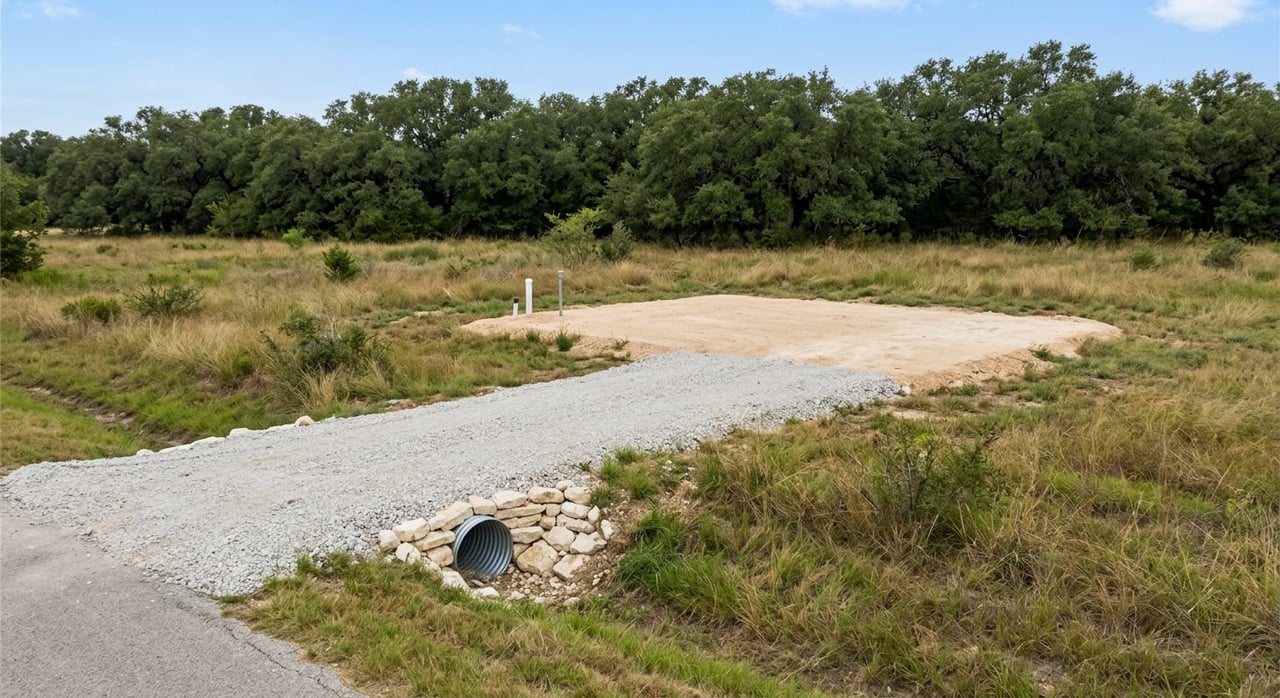
If you need access onto a county road, a driveway application is required. That review can include culvert placement and road details, so your driveway is part of the land-planning process, not a last-minute add-on.
Why Frontage Matters
Frontage affects more than convenience. It can influence whether the county will support your development plan and how easily you can place a driveway, utilities, and entry improvements.
For buyers thinking about trailers, equipment, horse trailers, or feed deliveries, access also affects day-to-day function. A parcel may have enough acreage on paper but still create headaches if the road approach is awkward or constrained.
Check Floodplain and Drainage Early
One of the biggest mistakes acreage buyers make is falling in love with the wrong part of the property. Cooke County’s floodplain rules apply to FEMA-designated floodplain land, and county subdivision regulations state that land subject to a 100-year flood or land that cannot be properly drained should not be subdivided or developed until improvements can create a usable building site.
In plain terms, not every attractive homesite is a practical homesite. You need enough usable ground for a house pad, driveway, septic area, and pasture use, all while working with drainage conditions that support long-term use.
Look Beyond the Best View
The highest or prettiest point on the property may not be the easiest place to build. You need to think about how water moves across the site, where a septic field could fit, and whether the driveway approach still works during wet conditions.
This is especially important if you want a small ranch setup rather than just a rural house. A mini ranch needs space that works together, not just acreage that looks good from the gate.
Plan for Septic Before You Plan the House
On raw land, septic is often one of the biggest constraints. In Cooke County, septic permit applications must be submitted online, and the county requires a current 911 address, property ID, legal description, water-source information, and a site evaluation by a licensed site evaluator or licensed professional engineer.
If the property cannot support a conventional system, the design for a nonstandard or proprietary system must be prepared by a registered professional engineer or registered sanitarian. The county also states that construction should not begin until authorization to construct is received.
Septic Can Shape the Whole Layout
This is why many mini ranch plans should start with wastewater feasibility, not barn sketches. The location and type of septic system can affect where you place the house, how much room remains for pasture, and how you budget for site work.
Cooke County also sets a minimum of one acre for lots served by septic tanks or other on-site sewage facilities. A complete septic application package can take five to seven days, and the final inspection must be scheduled at least one working day in advance.
Verify Water Service Before Closing
Water availability deserves the same attention as septic. Cooke County subdivision rules require an approved water distribution system connected to a rural water supply corporation, a privately owned system, or an individual well.
The county also states that a subdivision within 1,000 feet of an existing water distribution system must connect to that system. Applicants are responsible for contacting utility providers before construction begins, and the county may reject a plat if water service is inadequate.
City Utility or Rural Utility?
If the property is inside Valley View city limits, the city provides water and wastewater services. For rural parcels outside the city, the path may involve a rural water supply corporation or an individual well.
That difference can affect cost, timeline, and even where you place improvements. Before you close, make sure you know exactly what type of water service the land can support.
Do Not Overlook Addressing and Permits
In unincorporated Cooke County, new addresses are handled through the county’s 911 addressing process. That matters because septic applications require a current 911 address and property ID number.
It is a small detail that can create a big delay if ignored. Early confirmation of addressing helps keep the project moving when you are ready to submit for septic or other improvements.
Budget for Fencing as Core Infrastructure
A mini ranch is not just a house on acreage. In Cooke County, livestock management comes with a clear responsibility because the county describes itself as closed range.
According to the county attorney’s memo, livestock owners must prevent animals such as horses, cattle, sheep, goats, and hogs from running at large, including on roadway rights-of-way. That makes perimeter fencing and secure gates part of the core infrastructure budget.
Think Function First
If your plan includes horses or livestock, fencing should be treated like a must-have, not a cosmetic upgrade. Good access points, dependable gates, and a layout that matches how you will use the land can save you time, money, and stress later.
This is one area where practical planning matters just as much as aesthetics. A beautiful entrance means less if the pasture setup does not work for daily use.
Understand Agricultural Appraisal Basics
Property taxes can change the math on a mini ranch, so it is worth asking detailed questions up front. The Texas Comptroller states that qualified agricultural or open-space land is appraised on productivity value rather than market value, and the land generally must have been devoted to agricultural or timber production for at least five of the past seven years.
Land inside an incorporated city or town must meet additional criteria. If land receiving agricultural appraisal changes to a non-agricultural use, the owner may owe rollback tax for the previous three years plus interest.
Ask About Land History
Do not assume a mini ranch plan will automatically preserve a lower tax burden. You should verify the property’s current appraisal status and the land’s history before you count on agricultural valuation in your long-term budget.
For many buyers, this is one of the most important due diligence questions on rural acreage. A lower entry price can look very different once taxes and improvement costs are fully understood.
Follow a Realistic Project Sequence
Turning raw land into a mini ranch usually works best when you move in the right order. Based on local rules near Valley View, a practical sequence is to confirm jurisdiction, verify frontage and floodplain status, order a survey and site evaluation, line up septic and driveway approvals, and then build the pad, utilities, and fencing before adding barns or other improvements.
That sequence helps you solve the biggest feasibility issues first. It also gives you a clearer budget before you commit to the more visible parts of the project.
A Smart Mini Ranch Checklist
Here is a simple way to think through the process:
- Confirm whether the land is in Valley View, the ETJ, or unincorporated Cooke County
- Verify public road frontage and driveway access requirements
- Check floodplain status and drainage conditions
- Order a survey and site evaluation
- Confirm 911 addressing needs
- Verify water source options
- Start septic planning early
- Budget for fencing and gates if livestock are part of the plan
- Review property tax appraisal history before closing
Buying land near Valley View can be exciting, especially if you are building a place that fits your lifestyle. The key is making sure the property works not only for your vision, but also for access, drainage, utilities, and the local approval process.
That is where practical guidance makes a real difference. If you want help evaluating acreage, mini ranch potential, or farm and ranch opportunities near Valley View, Lauren McCambridge can help you sort through the details and move forward with confidence.
FAQs
What should you check first when buying raw land near Valley View for a mini ranch?
- First, confirm whether the property is inside Valley View city limits, in the ETJ, or in unincorporated Cooke County, because that determines which rules and approvals may apply.
Does raw land near Valley View need a septic evaluation before building?
- Yes. In Cooke County, septic applications require a site evaluation along with a current 911 address, property ID, legal description, and water-source information.
Can you add a driveway to a county road on land near Valley View?
- Yes, but Cooke County requires a driveway application for access onto a county road, and the review may include culvert placement and road details.
How does floodplain affect mini ranch land near Valley View?
- Floodplain and drainage can affect whether a site is suitable for development, because county rules state that land subject to a 100-year flood or poor drainage should not be developed until a usable building site can be created.
Do mini ranch buyers near Valley View need to budget for fencing?
- Yes. Cooke County is a closed-range county, so livestock owners are responsible for preventing animals from running at large, which makes perimeter fencing and secure gates a core part of the setup.
Can agricultural appraisal lower taxes on mini ranch land near Valley View?
- It may, but eligibility depends on the land’s use history and other criteria, so you should verify the current appraisal status and past agricultural use before assuming lower taxes will continue.