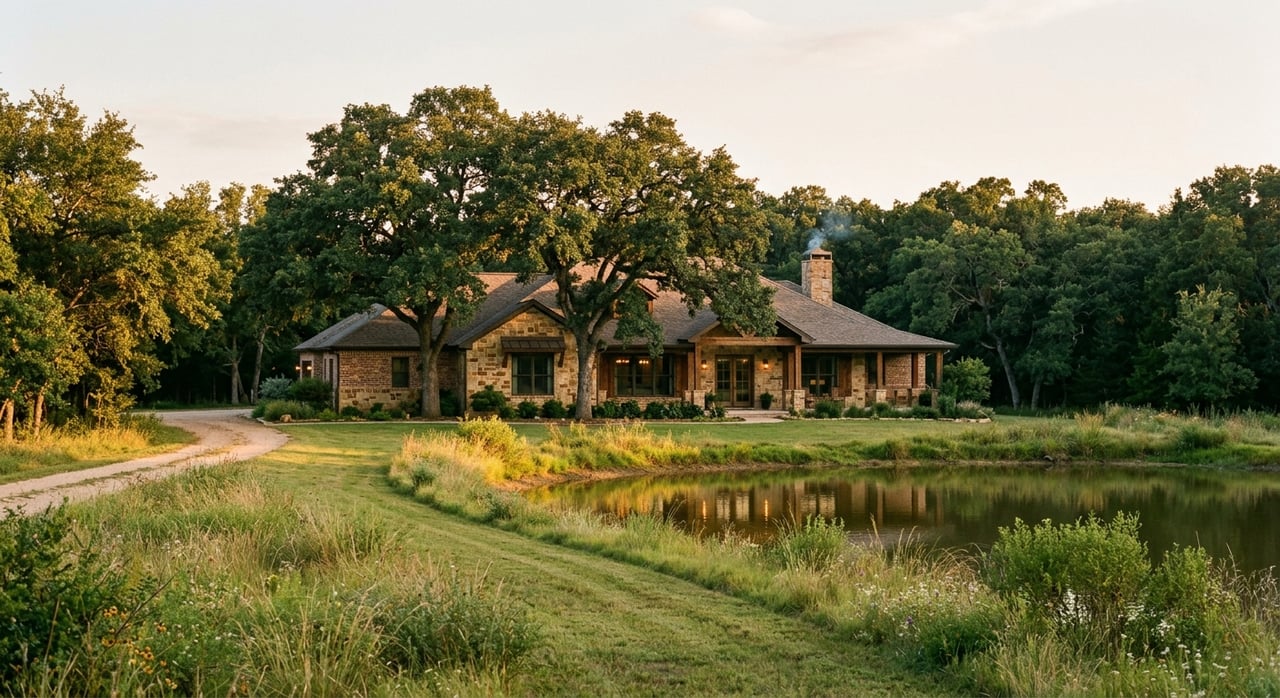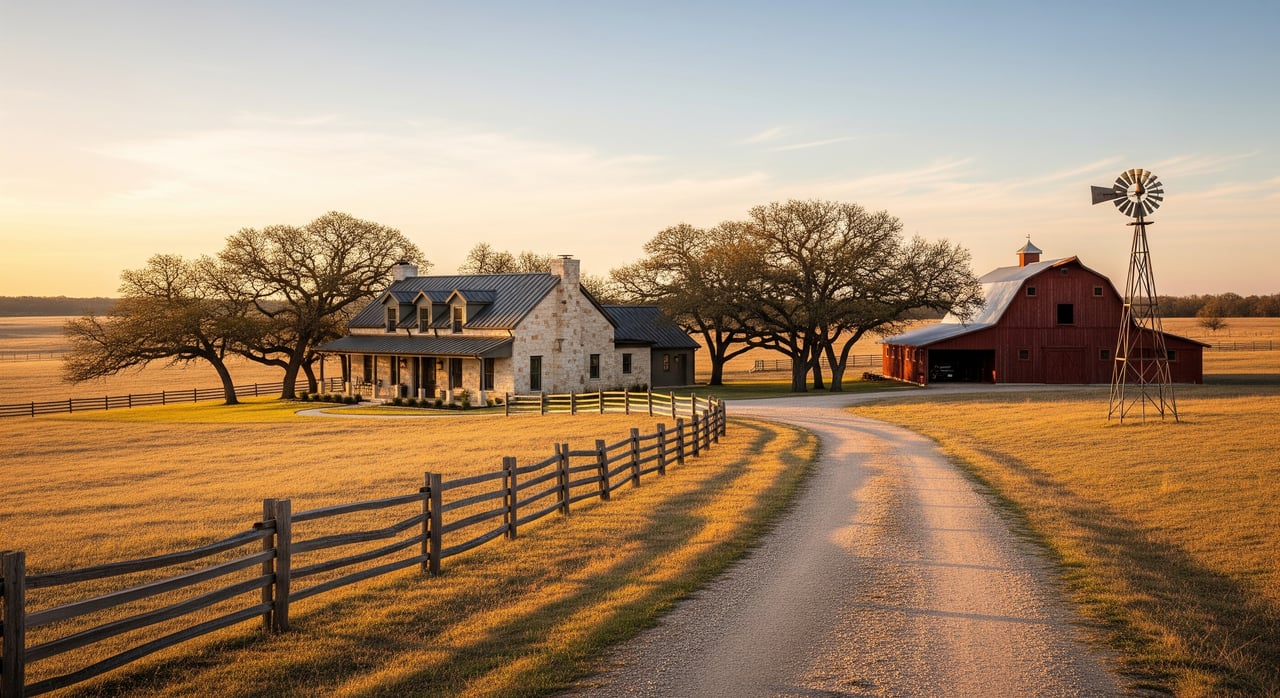
Is your timing helping or hurting your Gainesville acreage goals? In rural markets like Cooke County, the season you choose can shape buyer interest, days on market, and even how your land shows. If you are planning to buy or sell a small ranch, equestrian setup, or recreational tract, understanding seasonality can save you time and stress. In this guide, you will learn what typically happens each season, why those swings occur locally, and practical steps to make your move with confidence. Let’s dive in.
What seasonality looks like in Gainesville
Rural listings around Gainesville are fewer and more unique than suburban homes, so month-to-month swings can feel bigger. You will often see a spring bump in new listings and buyer activity, a mixed summer, a second wave in early fall, and a quiet holiday season. These patterns mirror broad housing trends and reflect how land shows across different weather and use cycles.
National research points to higher buyer traffic and quicker sales in spring for many markets, with activity easing after midsummer. You can review broader market context through the National Association of Realtors research library for timing insights and move patterns tied to school schedules and lifestyle plans. For rural and land-specific perspective in Texas, the Texas A&M Real Estate Center provides statewide trends and land market research.
Why these swings happen locally
Weather and property access
North Texas weather influences showings and photography. Spring green-up shows pastures at their best, but wet conditions can create muddy roads and limited access. Summer heat can deter mid-day showings, while fall offers cooler tours and clearer views of fences and trails. To plan around typical rainfall and temperature patterns, consult NOAA’s local climate data to time exterior photos and showings when conditions are favorable.
Hunting and recreation cycles
Recreational buyers often get serious as hunting seasons approach. Interest can rise in late summer and early fall as buyers aim to close before the first major dates. You can review current season timing through Texas Parks and Wildlife’s official season dates to align your search or listing.
Agricultural timing and land condition
Planting, haying, and harvest cycles change how acreage looks and how it can be toured. Mowed pastures, cleared trails, and accessible gates make a stronger first impression. For working properties, buyers also want to see typical conditions for forage, water, and usable acreage.
School calendars and move timing
Households with school-age children often target summer closings, so many start shopping in late winter and spring. NAR’s buyer and seller studies highlight how school timing influences move decisions. Even in rural areas, this cycle helps push spring listings and leads to busier showing calendars.
Mortgage rates and buyer sentiment
Rate movements are not seasonal, but they can amplify or quiet demand in any given month. In a low-inventory rural market, a sudden rate shift can change urgency quickly, so stay flexible and watch both your local listings and broader financial news.
Best timing for sellers
When to list for demand
If you want broad exposure, late winter through early spring is a strong window in Gainesville. Listings in February through April often benefit from more buyers planning summer moves and from land that photographs and tours well as pastures green up. This aligns with national research on spring strength and the local reality that rural buyers plan ahead for warm-weather closings.
When fall works well
If you have a recreational or mixed-use acreage, aim for August through October. Cooler weather improves tours, vegetation thins so trails and fences show clearly, and hunting-focused buyers are active. Fall can also work for sellers who missed the spring rush but prepped well.
When to avoid listing
If you can, skip the peak holiday period from mid-November through December, when buyer traffic typically dips, and avoid the hottest weeks of July when showing comfort drops. That said, if inventory is thin and you need to sell, motivated buyers do shop year-round.
Seller prep timeline for Gainesville
- 8 to 12 weeks out: Tackle fence repairs, brush clearing, and access improvements. Gather survey, title, and any past appraisals. Mark property corners and gates.
- 4 to 6 weeks out: Schedule professional photos when the property shows best. Create aerials and maps. Prepare a clear land-use summary, water source notes, and any ag or wildlife management details.
- 2 to 3 weeks out: Confirm gate codes and signage, outline safe showing routes, and set showing rules that respect livestock and operations.
- Launch week: Price defensibly using comparable acreage and price-per-acre trends. Provide complete documentation to reduce buyer uncertainty and speed decisions.
Pricing strategy for acreage
Rural comps are sparse and each parcel is unique. Anchor price to recent acreage sales, improvements, water resources, usable pasture, and access. Offer a thorough property packet that includes maps, soils or floodplain data if available, known easements, and recent maintenance. Clear details support stronger offers in any season.
Best timing for buyers
When selection is widest
If you want options, start in late winter and early spring. More rural sellers list during this time to catch school-year movers and warmer weather. A second wave appears late summer into early fall, especially for recreational tracts.
How to evaluate land by season
- Spring and early summer: Check vegetation vigor, drainage, pond levels, and weed pressure.
- Late summer: Stress reveals low spots, water reliability, and pasture resilience.
- Fall and winter: With foliage down, you can inspect fencing, trails, topography, and erosion more easily.
- If possible, visit more than once across seasons to see the property’s full picture.
Be ready to act fast
In low-inventory months, desirable parcels can move quickly. Line up pre-approval or proof of funds, keep earnest money and inspection plans ready, and know your top needs like water access, fencing, and drive time. Ask your agent for advance notice on coming-soon inventory and off-market opportunities.
Recreational buyer checklist
- Start searches by late summer to be ready before fall seasons.
- Confirm access, gates, blinds, and safety zones.
- Verify water sources, feeder locations, and trail visibility.
- Understand local rules and timing using Texas Parks and Wildlife’s season dates.
- Clarify whether existing hunting setups convey and what permits or leases you may need.
Local tips for Cooke County acreage
Plan for roads and access
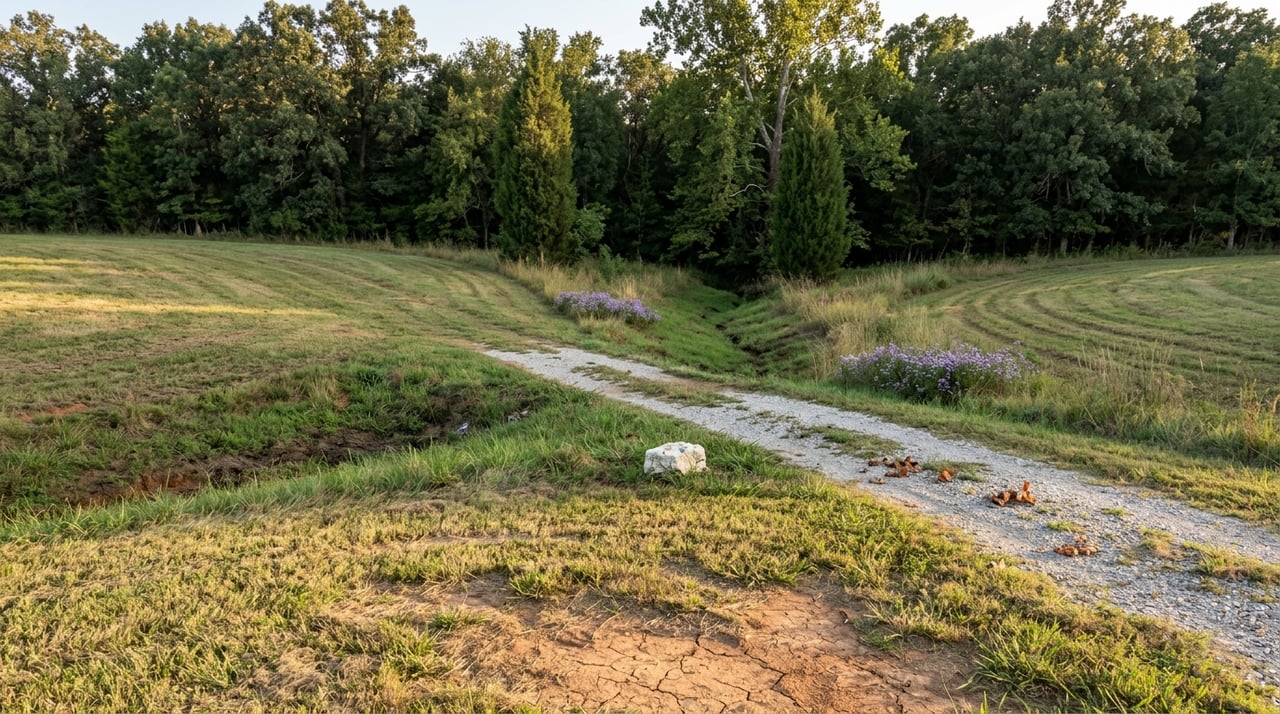
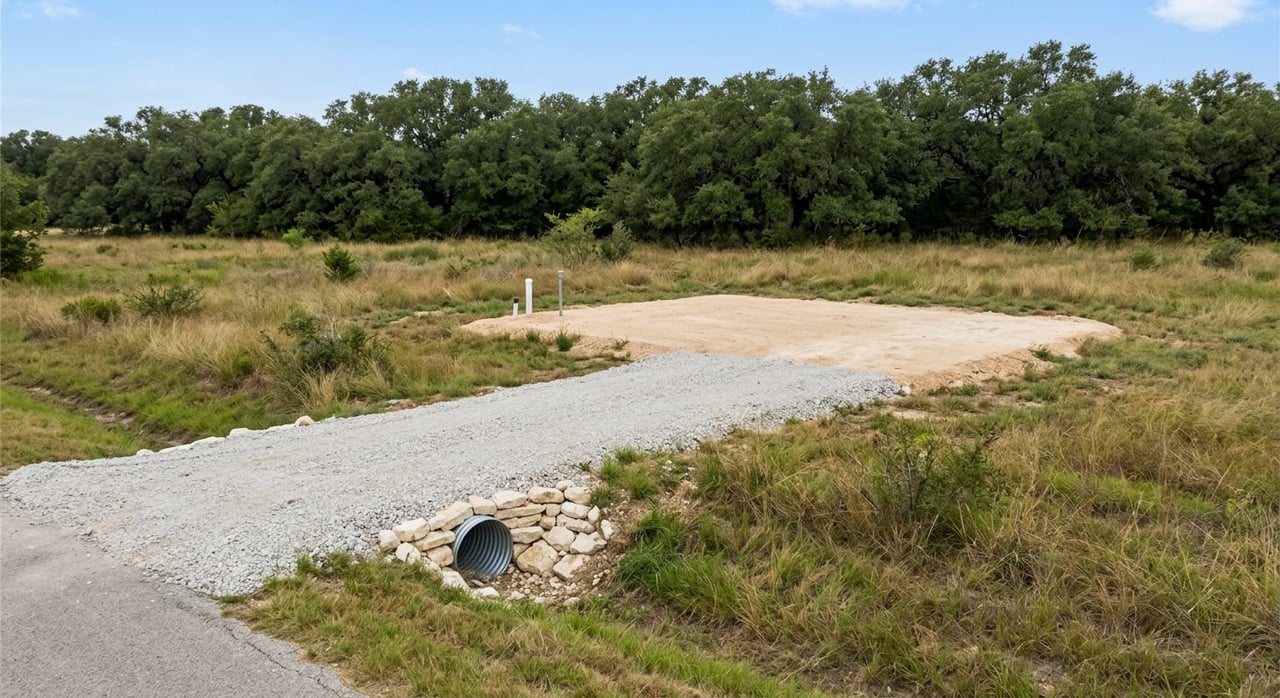
County roads, private easements, and weather can affect showings. After heavy rain, some lanes and creek crossings are difficult. For listings, include clear instructions, backup routes if available, and posted signage so buyers arrive safely and on time.
Coordinate with farm or ranch operations
If you run cattle or hay production, schedule showings around pasture moves and equipment use. Note recent yields if relevant, typical rotational plans, and any leased acreage. Buyers appreciate transparency on day-to-day operations.
Document water, fencing, and maps
Reliable water access is top-of-mind for Gainesville buyers. Share pond details, well information if known, and any recent improvements. Include a fence description by boundary, gate counts, and simple aerial maps. Clear documentation helps buyers compare apples to apples across unique parcels.
How to track Gainesville seasonality
If you want local proof beyond broad trends, compile simple monthly charts for the last three to five years. Your agent can pull MLS exports by acreage band and create line graphs to spot repeating peaks and dips. Focus on:
- New listings by month and acreage size.
- Closed sales by month and acreage size.
- Median days on market by month.
- Price and price per acre trends by month or quarter.
- Percent of list price received by month.
- Active inventory by month.
- Buyer origin, if available, to see DFW weekend buyer patterns.
For statewide context and land market education, explore the Texas A&M Real Estate Center. For local demographics and housing baselines, use U.S. Census QuickFacts for Cooke County. To plan around weather, pull climate normals from NOAA’s Climate Data Online. For season-driven recreational demand, reference Texas Parks and Wildlife’s hunting dates.
Putting it all together
In Gainesville’s rural market, timing works best when you pair seasonal patterns with your property’s strengths. Spring maximizes exposure, summer requires comfort and flexibility, fall favors recreational and show-ready parcels, and winter rewards motivated buyers and sellers who value less competition. The right plan is the one aligned to your land, your goals, and your calendar.
If you want a clear, step-by-step plan for your acreage, connect with a local specialist who lives and works in this world every day. With practical construction insight, rural know-how, and boutique marketing, you can move with confidence. Reach out to Lauren McCambridge to plan your season and strategy.
FAQs
What months are best to list rural acreage near Gainesville?
- Late winter through early spring often brings the most buyer activity, with a secondary window in early fall for recreational and mixed-use parcels.
How do Texas hunting seasons affect Gainesville land demand?
- Interest from recreational buyers commonly rises in late summer and fall as they aim to close before key dates published by Texas Parks and Wildlife.
Is summer a bad time to sell acreage in Cooke County?
- Not always. Heat can reduce showing comfort, but summer can showcase pasture conditions and attract out-of-area visitors, especially if access and tours are well planned.
When is inventory highest for Gainesville rural buyers?
- You typically see the widest selection in spring, with additional opportunities appearing in late summer and early fall, depending on the year and property type.
How should I prepare my ranch or equestrian property for listing?
- Repair fencing, improve access and signage, clear trails, gather surveys and maps, and schedule professional photos when the land shows best for the season.
Where can I find Texas land market context and data?
- Use the Texas A&M Real Estate Center for statewide insights, U.S. Census QuickFacts for local baselines, NOAA for climate timing, and Texas Parks and Wildlife for hunting dates.