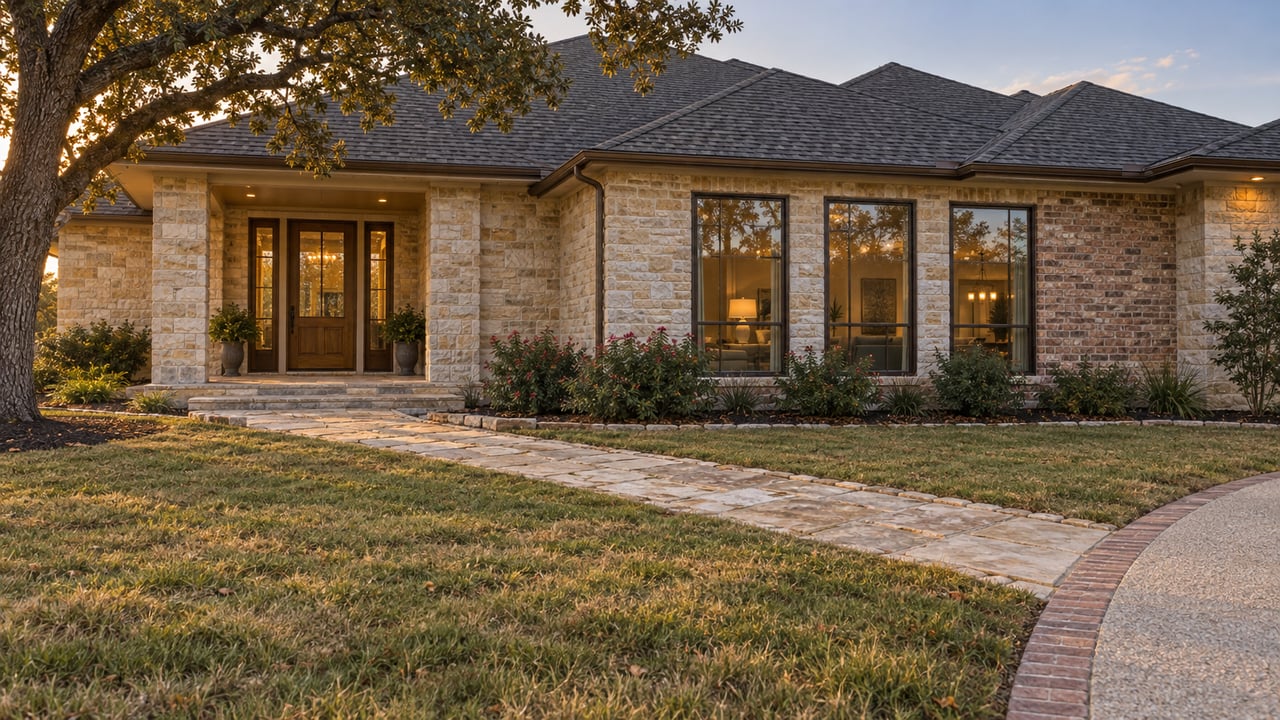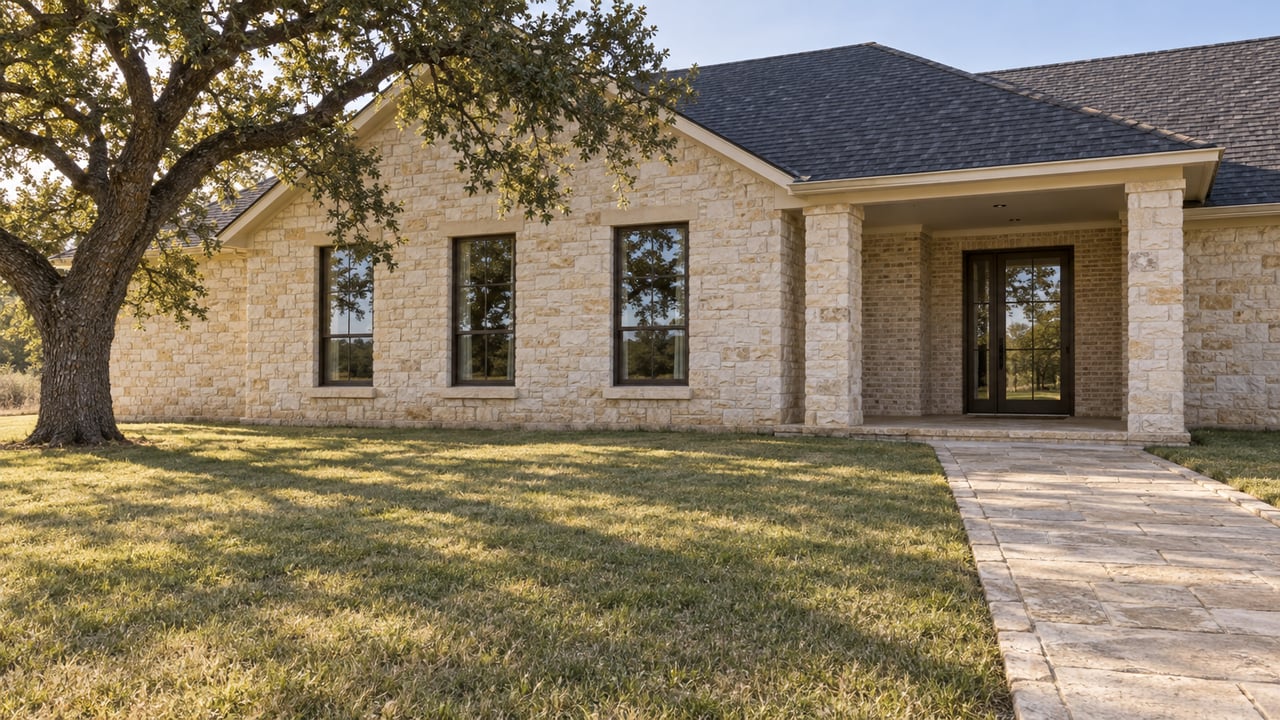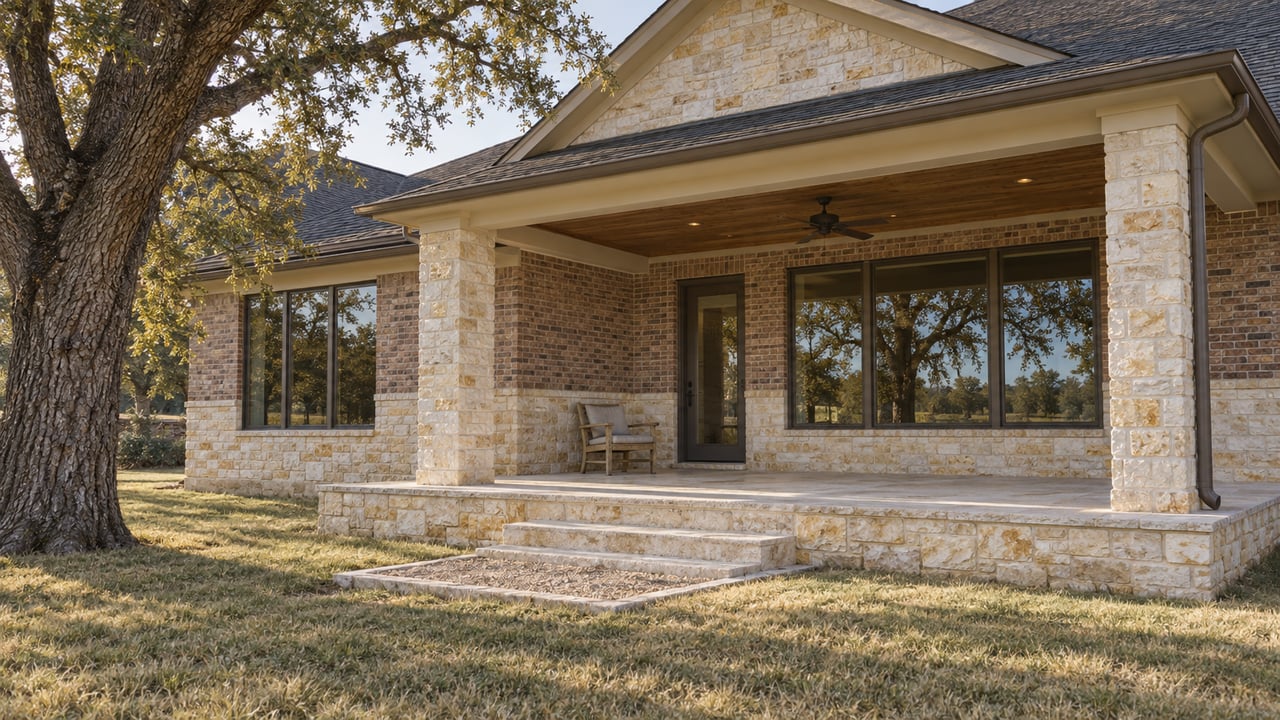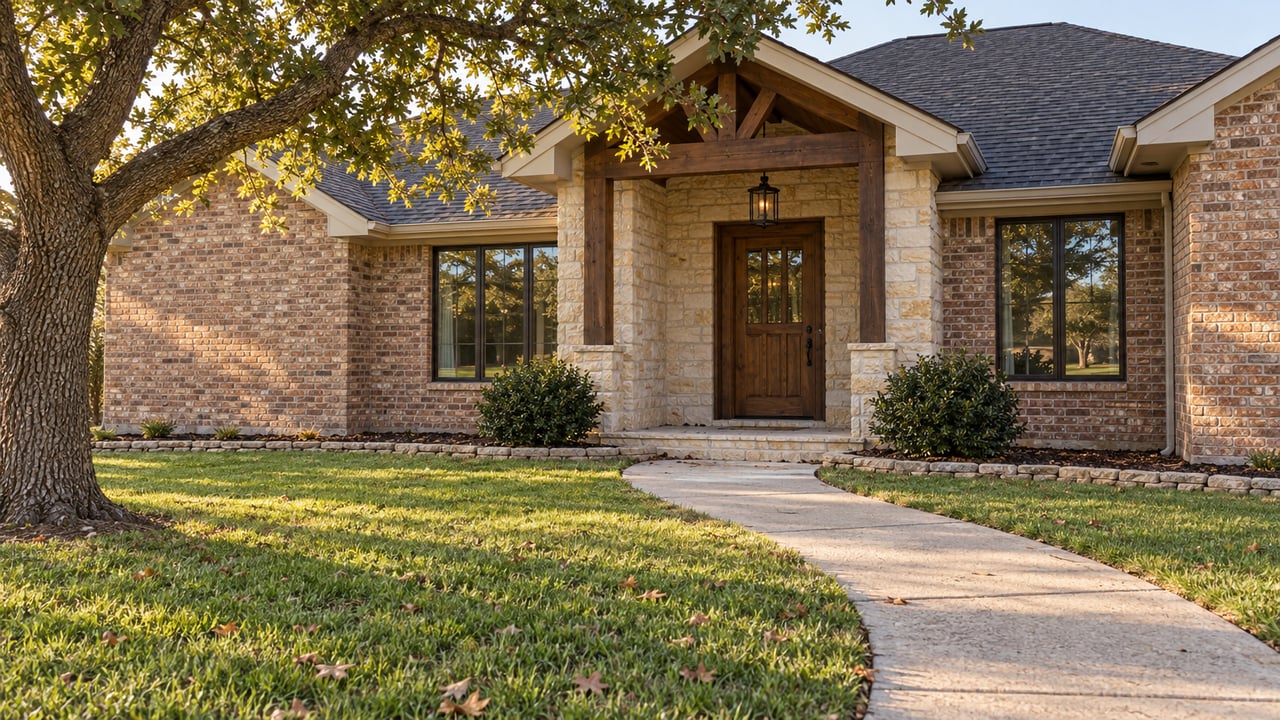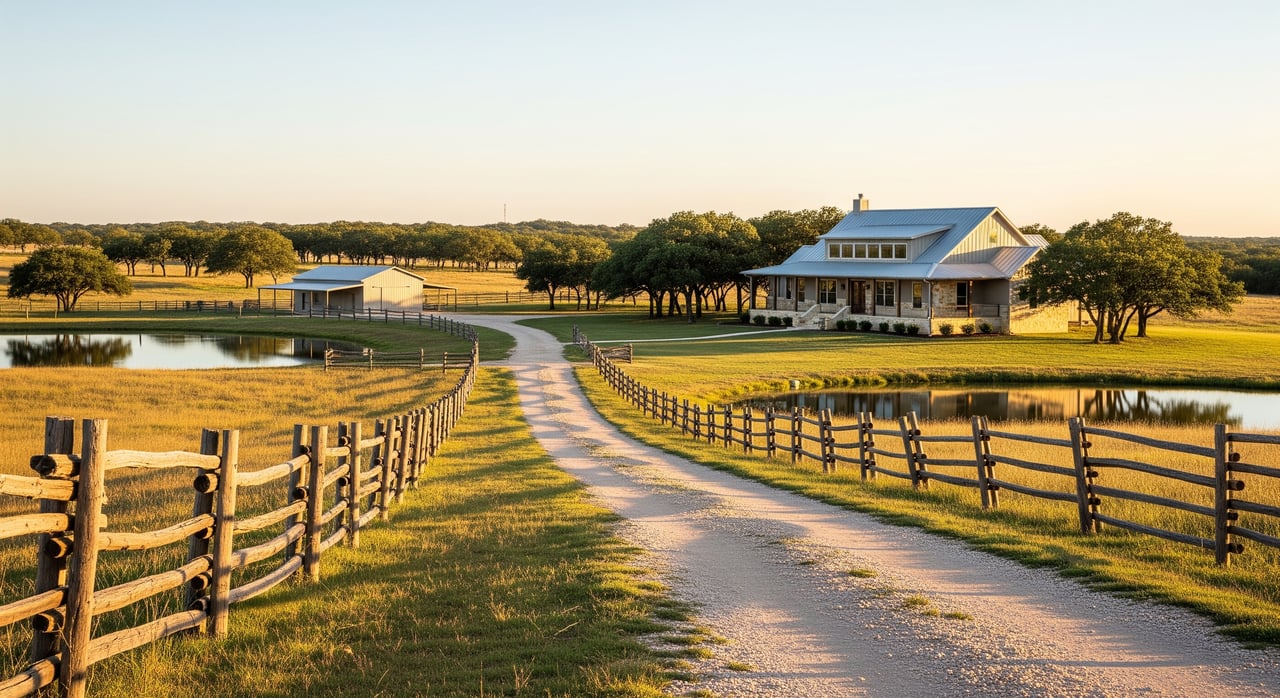
Craving more space, room for horses, or a workshop without giving up access to town? If you live in Gainesville or commute to the Dallas–Plano–Irving area, acreage living around Cooke County can deliver privacy and flexibility that subdivision homes rarely match. You also take on new responsibilities like wells, septic, fencing, and longer drives. In this guide, you’ll learn what types of properties exist near Gainesville, how utilities and permitting work, what to budget for, how financing differs, and the key due diligence steps to buy with confidence. Let’s dive in.
Why acreage near Gainesville
You get a more rural setting with bigger skies and fewer close neighbors. Many buyers come from Denton, Plano, Frisco, and Dallas for lower per‑acre prices and more freedom.
Gainesville sits north of the Dallas metro, so expect a different rhythm than suburbia. Typical drive time to the Dallas–Plano–Irving area is often about 1 to 1.5 hours or more, depending on your exact route and traffic.
Inventory ranges from small estate lots to large working tracts. You will see homes with 1 to 10 acres, ranchettes in the 10 to 50 acre range, and larger ranch or recreational parcels above 50 acres.
Property types and pricing basics
Estate lots: 1–10 acres
These can be single‑family homes on acreage or build‑ready pads. They offer elbow room and space for a shop, a small barn, or a garden. Deed restrictions are common in subdivided acreage communities, so review them before you plan projects.
Ranchettes: 10–50 acres
Great for a few livestock or horses and a modest agricultural setup. Cross‑fencing, a barn, and a loafing shed are typical. You gain flexibility for hobbies and small‑scale operations without the workload of a large ranch.
Larger ranches: 50–200+ acres
These tracts may be used for grazing, hunting, or mixed recreational use. Some buyers look at them for long‑term investment and land appreciation. Access, water sources, and interior roads become more critical at this size.
Pricing and time on market
Acreage close to pavement and services tends to command a premium. Larger or more remote parcels can take longer to sell and close. Expect longer timelines than subdivision homes if the property lacks infrastructure or has limited access.
Zoning, restrictions, and rights
City vs. county rules
Much of Cooke County is unincorporated with limited formal zoning compared to cities. Inside Gainesville city limits, platting and permits will differ. Always confirm which jurisdiction applies before you plan a build.
Deed restrictions and covenants
Subdivided acreage often comes with restrictive covenants. These rules may address livestock limits, fencing style, or building standards. Read the deed and covenants so your plans align.
Mineral rights and oil and gas
In Texas, mineral rights are often severed from surface rights. Sellers may reserve minerals or there may be existing leases. Order a full title search and check for any active or historic oil and gas activity that could affect surface use.
Easements and legal access
Some rural tracts rely on private roads or shared driveways. Confirm legal access to a public road and review any recorded easements or road maintenance agreements. Access terms can affect both cost and financing.
Agricultural appraisal and rollback
Texas offers an agricultural productivity appraisal, sometimes called open‑space or 1‑d‑1. If your property qualifies and remains in eligible use, your taxable value may be lower than market value. If you change the use, you could face rollback taxes, so verify rules with the county appraisal district.
Utilities and buildability
Power
Grid power is common near towns and along main rural roads. Remote tracts may require a line extension, which can add time and cost. Contact the local utility early to verify availability and any extension estimates.
Water and wells
Many acreage homes rely on private wells. Well depth and yield depend on local geology, so test both flow and water quality. If you hope to connect to public water, confirm line proximity and connection feasibility before you buy.
Septic systems
Most rural parcels use on‑site septic or aerobic systems. Soil, lot size, and site conditions determine what is feasible. Check permit history and maintenance records for existing systems, and get a site evaluation if you plan new construction.
Internet and cell
Coverage varies by carrier and provider. Satellite, fixed wireless, or DSL may be available depending on your location. Test signal and confirm internet speeds at the exact property during due diligence.
Roads and driveways
County road frontage is common, but interior access can be private. Gravel drives are typical and can require maintenance after heavy weather. Paved access can improve reliability and resale value but costs more up front.
Common improvements and upkeep
Fencing and livestock
Fencing types include barbed wire, woven wire, board or rail, and pipe. The right choice depends on livestock type, safety, and look. Always obtain local quotes, since terrain and materials drive cost.
Barns, shops, and storage
Metal buildings are popular for barns and workshops. They go up quickly and can be customized for stalls, tack rooms, or vehicle storage. For insulated shops or finished spaces, plan for site prep, slab, electrical, and ventilation.
Water features and ponds
Some properties include ponds or stock tanks for livestock and aesthetics. Verify any permits and dam conditions if you inherit a pond. If you plan to build a pond, factor in soil type and drainage.
Budgeting and contingencies
Plan for site work, drainage, utility extensions, and driveways. Wells and septic systems depend on local conditions, so use local contractors for estimates rather than national averages. Keep a contingency fund for surprises like erosion control or brush clearing.
Maintenance realities
Acreage takes ongoing work. Expect fence repairs, mowing or brush management, and routine building maintenance. If you will not do the work yourself, line up contractors and include those costs in your annual budget.
Financing, taxes, and insurance
Loan options
Financing acreage is different from a suburban home. Conventional loans often require a finished home on the property, and vacant land may need a land loan or construction loan. USDA Rural Development and farm or ranch loans can be options for eligible properties and uses.
Property taxes and school districts
Texas taxes are local and vary by city, county, school, and special districts. Agricultural appraisal can reduce taxable value if you qualify and maintain the use. School district boundaries affect tax rates and should be confirmed early.
Insurance and fire response
Insurance can be higher for homes on acreage. Distance to fire protection, ISO ratings, and outbuildings all matter. Ask your insurer about coverage for barns, equipment, and any animal or business activities on site.
Operating costs
Budget for fuel, longer commutes, electricity, propane if you are off natural gas, and equipment upkeep. Property management or routine contractor help may be part of your plan if you travel or prefer not to DIY.
Commute, services, and lifestyle
Commuting to Dallas–Plano–Irving
Drive times vary a lot by route and traffic. If you plan a daily commute, test it during peak hours before you buy. Hybrid work or park‑and‑ride options can ease the schedule.
Local services and medical
Gainesville offers primary medical care, groceries, and daily needs. For specialty care and large retail, you will likely head to Denton, Sherman, or the Dallas area. Plan trips to reduce back‑and‑forth.
Schools and boundaries
In rural areas, school district lines may not match city limits. Verify the independent school district for any property you are considering. This affects taxes and future resale considerations.
Emergency response
Volunteer fire departments serve many rural zones. Response times and ISO ratings influence insurance and safety planning. Check your distance to the nearest hospital and EMS.
Due diligence checklist
- Title and legal
- Order a full title search for mineral interests, easements, deed restrictions, and any oil or gas leases.
- Confirm legal access and any road or gate maintenance obligations.
- Utilities and buildability
- Verify electric service availability and any line extension costs.
- Confirm public water options or evaluate well feasibility, including yield and water quality testing.
- Confirm septic permitting and soil suitability for on‑site wastewater.
- Map FEMA flood zones and note drainage or wetland constraints.
- Environmental and land conditions
- Check for known contamination or endangered habitat.
- Assess brush or invasive species that may need management.
- Structures and systems
- Inspect existing wells, septic systems, outbuildings, and fencing for condition and code compliance.
- Practical tests and visits
- Visit at rush hour, weekends, and after weather events to assess access, drainage, and cell coverage.
- Check internet speed and carrier strength on site.
- Financial and regulatory
- Confirm tax rates and whether the parcel has, or can qualify for, agricultural valuation.
- Review HOA or private road agreements if applicable.
- If you plan agricultural operations, confirm any required registrations or permits.
How a local specialist helps
An acreage purchase blends lifestyle goals with technical details. You want a partner who understands wells, septic, fencing, barns, and the realities of rural access. You also want someone who can flag title issues like easements or mineral reservations early.
With a background in construction and a lifetime in rural life, I help you evaluate condition, plan improvements, and budget accurately. I also bring local market insight across Cooke and neighboring counties, plus MLS‑integrated search tools and private, boutique service. If acreage living near Gainesville is on your radar, let’s talk through your goals and map a clear plan to get there.
Ready to explore properties and next steps? Reach out to Lauren McCambridge to start your search or get a valuation.
FAQs
Will I need a well and septic on acreage near Gainesville?
- Often yes in unincorporated areas, since public water and sewer lines may not extend to many rural parcels; always verify before you buy.
Can I keep horses or livestock on Cooke County acreage?
- Usually, but confirm deed restrictions, county rules, and any health or HOA requirements that may limit animals or fencing types.
How long is the commute from Gainesville to Dallas–Plano–Irving?
- Plan for about 1 to 1.5 hours or more depending on your exact origin, route, and peak traffic conditions.
What should I check about mineral rights in Texas?
- Request a full title search and review any mineral reservations or oil and gas leases that could affect surface use now or in the future.
How is financing different for acreage or land?
- Many lenders require a home in place for conventional loans; vacant land may need a land or construction loan, and USDA or farm and ranch loans can be options if eligible.
Can I reduce property taxes with an agricultural valuation?
- If you qualify under open‑space or productivity rules and maintain the use, the taxable value may be lower than market value; confirm rules and potential rollback taxes before changing use.