Dreaming of a few acres where you can keep a couple of horses, gather fresh eggs, and unwind after chores under a big Texas sky? If you are eyeing Whitesboro and nearby parts of Grayson County, you are in good company. This area offers the right mix of small‑town pace, service access, and usable land for a beginner or seasoned hobbyist. In this guide, you will learn what hobby farm living looks like around Whitesboro, from property features and soils to animals, water, taxes, and a smart due‑diligence plan. Let’s dive in.
Why Whitesboro works for hobby farms
You are close to daily needs without giving up open space. Whitesboro sits in northeastern Grayson County, part of the Sherman–Denison area, with a small‑city feel and a 2020 population of 4,074 according to Whitesboro in northeast Grayson County. Sherman and Denison serve as nearby hubs for groceries, veterinary support, and feed and farm supplies. Lake Texoma and Hagerman National Wildlife Refuge add easy weekend recreation.
Local know‑how is close at hand. The Grayson County AgriLife Extension offers 4‑H, Master Gardener programs, and practical workshops for pasture, ponds, and small‑acreage management. That support network matters when you are new to livestock or upgrading a property.
What a typical hobby farm includes
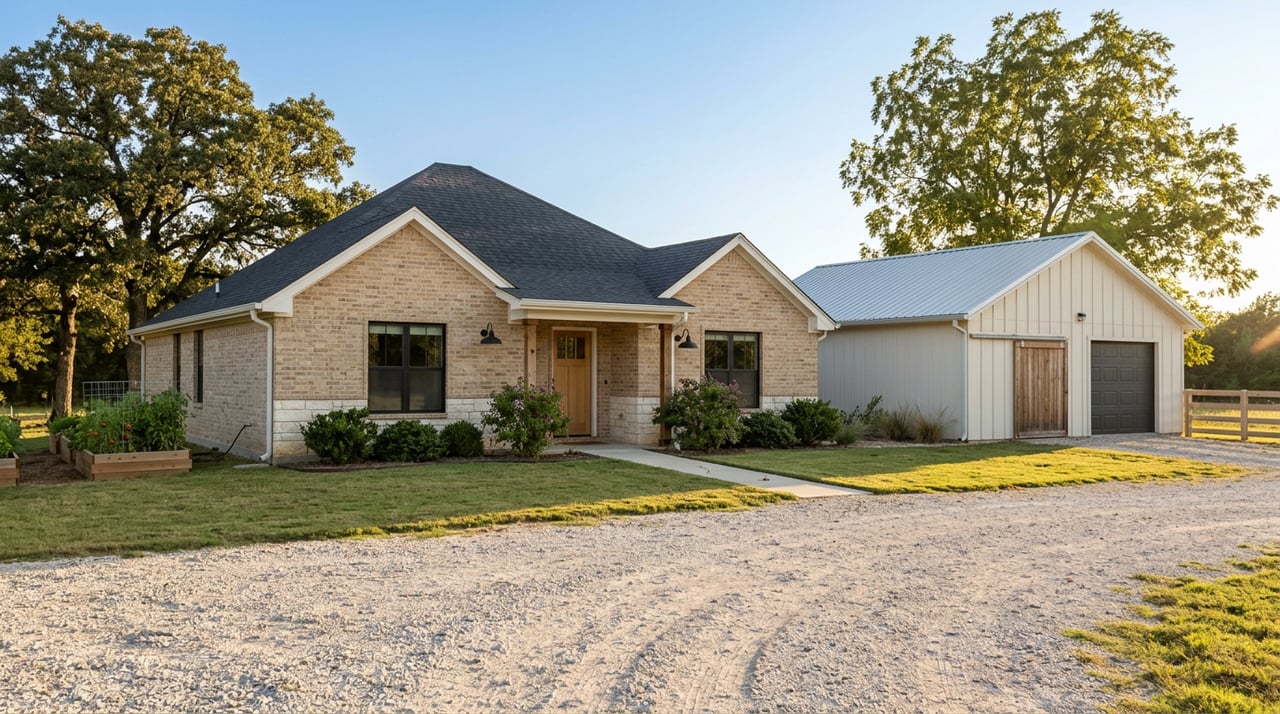
Most small‑acreage places here are set up for a balanced, low‑to‑moderate workload. Common features include:
- A primary home, often set back with a circle or straight drive.
- One metal pole barn or a small center‑aisle barn with 2 to 4 stalls and a tack room.
- One or two fenced paddocks or pastures sized for turnout and rotation.
- A run‑in or loafing shed for shade and weather.
- A compact equipment or hay shed, plus a chicken coop.
- A garden area, raised beds or in‑ground, and sometimes a small greenhouse.
- Water access through a rural water meter or a private well, with stock tanks or troughs.
Fencing varies by species. Board or pipe fencing is common for horses. High‑tensile or barbed wire works for cattle. Many owners add portable electric or polywire for cross‑fencing and rotational grazing. For chores, a compact tractor in the 25 to 50 horsepower range with a front loader, plus a finishing mower or rotary cutter, covers most needs. An ATV or UTV is helpful for daily checks and hauling.
Climate, soils, and siting basics
You will find a long growing season and warm summers. Whitesboro, ZIP 76273, is commonly mapped in USDA Hardiness Zone 8a, with annual precipitation in the high 30s to low 40s of inches. Plan on warm summers, mild winters, and the occasional freeze.
Soils shape your plan more than many buyers expect. The region sits within the Northern Blackland Prairie ecoregion and its clay soils. These fine‑textured clays are fertile for pasture and hay, but they shrink and swell, and they can hold water in low spots. That behavior matters for building pads, driveways, shop slabs, and septic fields. Before you commit to a layout, pull parcel‑level maps from the NRCS Web Soil Survey and consider an on‑site review by a soils professional or engineer.
Pro tip: On any tract, verify floodplain overlays and recorded easements before you finalize where to place a home, barn, or pond. A little homework up front can prevent costly rework later.
Animals and daily time: set expectations
Great hobby farms balance joy and time. Popular choices here include chickens, goats or sheep, a few beef animals, and horses, along with a seasonal garden. The Grayson County AgriLife Extension supports 4‑H and small‑scale livestock projects, which is helpful if you have kids who want to learn.
Plan daily time based on species and setup:
- Chickens, small flock: daily checks and feed, roughly 10 to 30 minutes, with weekly coop care.
- Goats and sheep: daily checks and feeding, about 20 to 60 minutes for a small herd once fencing and rotation are set.
- Horses: turnout, feed, and routine care can take 45 to 120 minutes each day depending on riding and stall habits.
- Cattle: well‑fenced pasture can be light daily time, but handling days for vaccines, weaning, or hauling require planning and help.
Line up veterinary support early. Whitesboro and the Sherman–Denison area have mobile equine and large‑animal services. For example, local equine veterinary care is available for routine and emergency needs.
Stocking rates: how many animals per acre
Your pasture drives your animal numbers. Advisors use the animal unit concept and stocking rates to size herds and flocks. The Noble Research Institute explains key animal unit and stocking rate metrics, and local extension can help apply them to your exact pasture.
As a planning start, North Texas rules of thumb often range from about 1 to 3 acres per cow on improved pasture, with higher acreage needs on native or low‑productivity ground. Rotational grazing and pasture improvement can raise carrying capacity compared to continuous grazing. Treat these as starting points only, then adjust with local advice and seasonal conditions.
Water, septic, and access
Reliable water is essential. Many hobby farms use a rural water meter, a private well, or a mix. If a property has a well, budget for a proper yield and water‑quality test. For livestock, plan troughs or stock tanks so each paddock has access, and consider automatic valves to save time.
Most rural homes use a septic system. Check size, age, and permit history, and plan a professional inspection during option period. Start with Grayson County Development Services for OSSF and permitting links. On driveways and pads, work with your builder on base depth and drainage to handle clay soils and seasonal wetness.
Rules, taxes, and appraisals
Location within city or county affects what you can do. Inside city limits, zoning or animal ordinances may set limits on structures and species. Start with the Whitesboro zoning specifications. Outside city limits, Grayson County handles county health and animal control matters, and you will find permits and OSSF links on the county site.
Ask early about the open‑space agricultural valuation, often called 1‑d‑1. Qualifying can significantly lower property taxes if you meet use, intensity, and history rules. Requirements vary by appraisal district, so review a clear example in a typical appraisal district FAQ and then contact the local district that covers your property. If an ag valuation matters to your budget, make your plan before closing so you know the timeline and documentation you will need.
Texas also allows mineral rights to be severed from surface rights. Have your title company explain any reserved minerals or existing leases, and check FEMA floodplain maps if you plan new structures or a pond.
Buyer due‑diligence checklist
Use this quick list to move from curiosity to confidence:
- Confirm city versus county jurisdiction, then read the municipal animal and building rules using the Whitesboro zoning specifications.
- Pull parcel soils via the NRCS Web Soil Survey, then plan an on‑site soils or engineering review for building or heavy improvements.
- Test any private well for yield and water quality, and verify rural water availability with the provider.
- Check septic history and permits through Grayson County Development Services.
- Ask the appraisal district about 1‑d‑1 eligibility and rollback rules, using a typical appraisal district FAQ as a reference point.
- Introduce yourself to the Grayson County AgriLife Extension and line up veterinary and feed contacts before animals arrive.
Finding your fit: acreage and lifestyle
In this corner of North Texas, small‑acreage tracts marketed to hobby buyers often run from a few acres up to the low double digits. Many new owners start with a garden, a small chicken flock, and one to three larger animals. That blend keeps chores manageable while you learn your land.
Think about your weekly rhythm. How much daily chore time is comfortable for your household, and who will cover when you travel? Do you want to ride from your barn, or trailer to nearby areas? A clear plan for animals, water, and fencing helps you choose between a five‑acre starter and a larger place with multiple paddocks and a full barn.
How I help you buy with confidence
You deserve a guide who understands both the lifestyle and the nuts and bolts. With a background in horses, 4‑H and FFA, and more than two decades in construction and contracting, I bring practical field insight to your search. That means realistic assessments of barns, fencing, water systems, and soils, plus straight answers on repair budgets and timelines.
You also get a boutique, client‑first experience with MLS‑integrated search tools, clear communication, and local market intelligence across North Texas and Southern Oklahoma. When you are ready to explore hobby farm living around Whitesboro, I am here to help you evaluate options and move forward with confidence.
Ready to find your small‑acreage fit near Whitesboro? Reach out to Lauren McCambridge to start your property search or valuation.
FAQs
What size acreage works for a starter hobby farm near Whitesboro?
- Many buyers start with 3 to 10 acres for a garden, chickens, and one to three larger animals, then scale fencing and water as they learn their land and routine.
What building issues do Whitesboro clay soils create?
- Blackland clays can shrink and swell, so plan proper site prep and drainage for pads and driveways and confirm septic suitability with the NRCS Web Soil Survey and an on‑site review.
How do I qualify for the Texas open‑space agricultural valuation?
- You must meet specific use, intensity, and history requirements set by the local appraisal district, so review a typical appraisal district FAQ and contact the district for your parcel.
Do I need a private well, or can I use rural water?
- Many properties have rural water meters, private wells, or both, so verify service options, test any existing well for yield and quality, and plan stock‑water access for each paddock.
Who can help me decide how many animals my pasture can support?
- Start with the Grayson County AgriLife Extension and use Noble’s guidance on animal unit and stocking rate metrics to tailor numbers to your pasture.
Are horses or chickens allowed inside Whitesboro city limits?
- Rules vary by zone and species, so confirm your address and read the Whitesboro zoning specifications before you buy or add animals.