If you are selling acreage or a rural home near Gainesville, a standard listing approach can leave too much to the imagination. Buyers are not just judging square footage and finishes. They are also trying to understand the land, access, improvements, utilities, and how the property actually works day to day. That is exactly where boutique marketing can make a real difference. In this guide, you will see why a more tailored strategy helps Gainesville rural sellers attract stronger interest, create clarity early, and head into negotiations with fewer surprises. Let’s dive in.
Why Gainesville rural properties need more care
Gainesville sits in a smaller, mixed rural market within Cooke County, which means many listings involve more than a house on a standard lot. The U.S. Census Bureau estimates Gainesville’s 2024 population at 18,295 and Cooke County’s at 44,258, with broadband subscriptions in 85.1% of Gainesville households and 86.0% of Cooke County households. That matters because even rural buyers often begin online, and your presentation has to work well there from day one.
Local land patterns also shape how buyers evaluate property. According to the Lake Ray Roberts planning materials from Cooke County, agricultural land makes up 59.5% of acreage in that planning area, and Residential Acreage and Agricultural districts carry specific minimum lot sizes. For you as a seller, that means buyers may look closely at land use, setbacks, access, fencing, outbuildings, and how the property fits their goals.
What boutique marketing really means
Boutique marketing is not just about making a property look polished. It is about building a property-specific strategy that helps buyers quickly understand what makes your place valuable and usable. For rural sellers in Gainesville, that usually means combining strong visuals, precise property details, and a thoughtful launch plan.
A one-size-fits-all listing can miss the details that matter most on acreage. A boutique approach gives more attention to the story of the property, the practical facts buyers need, and the way your home and land are introduced to the market. That creates a better first impression and helps serious buyers decide to take the next step.
Strong visuals drive first clicks
Photos are often the first thing buyers notice, and they carry a lot of weight. The National Association of Realtors reports that 81% of buyers rated listing photos as the most useful feature in their online home search. The same source notes that buyers also value detailed property information and floor plans, which shows that presentation works best when visuals and facts support each other.
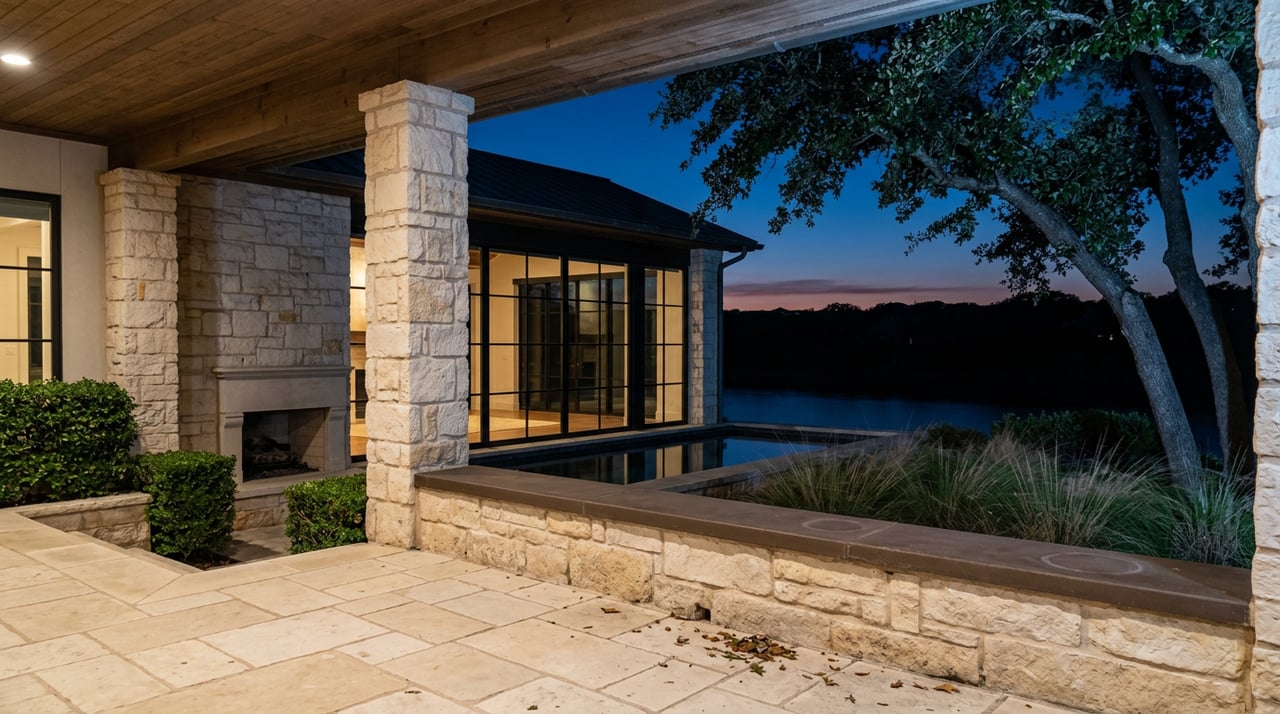
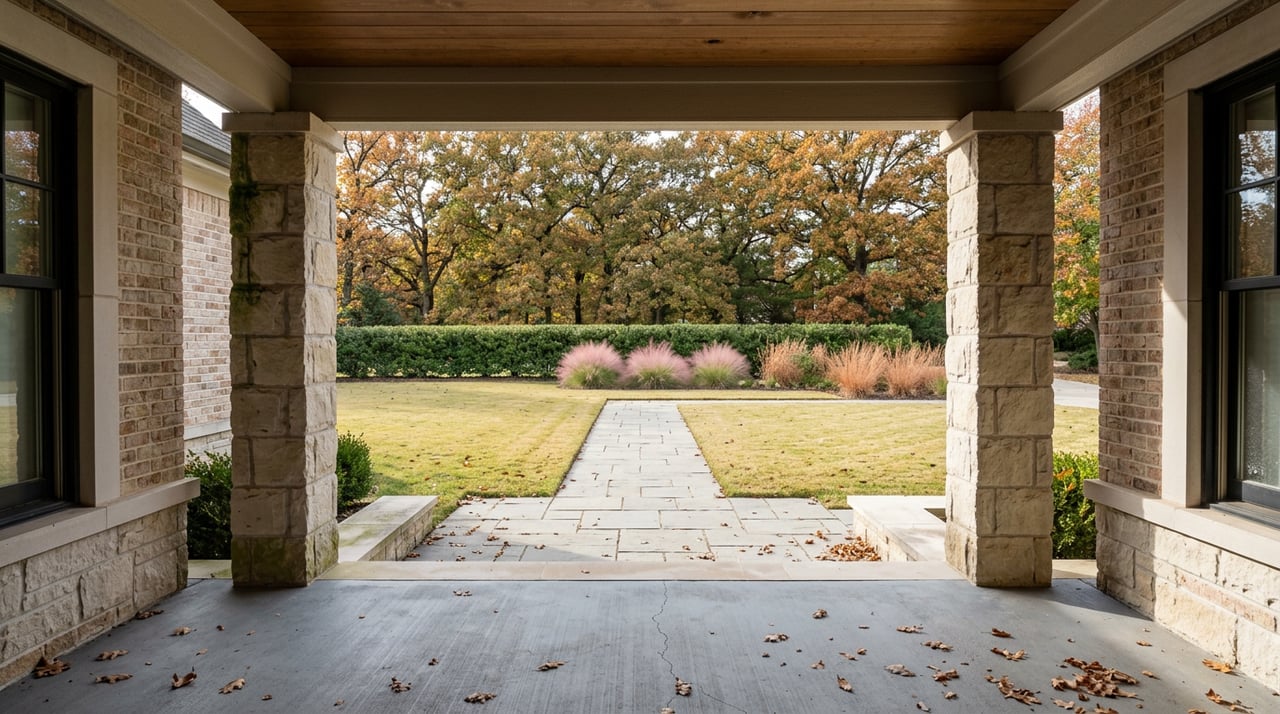
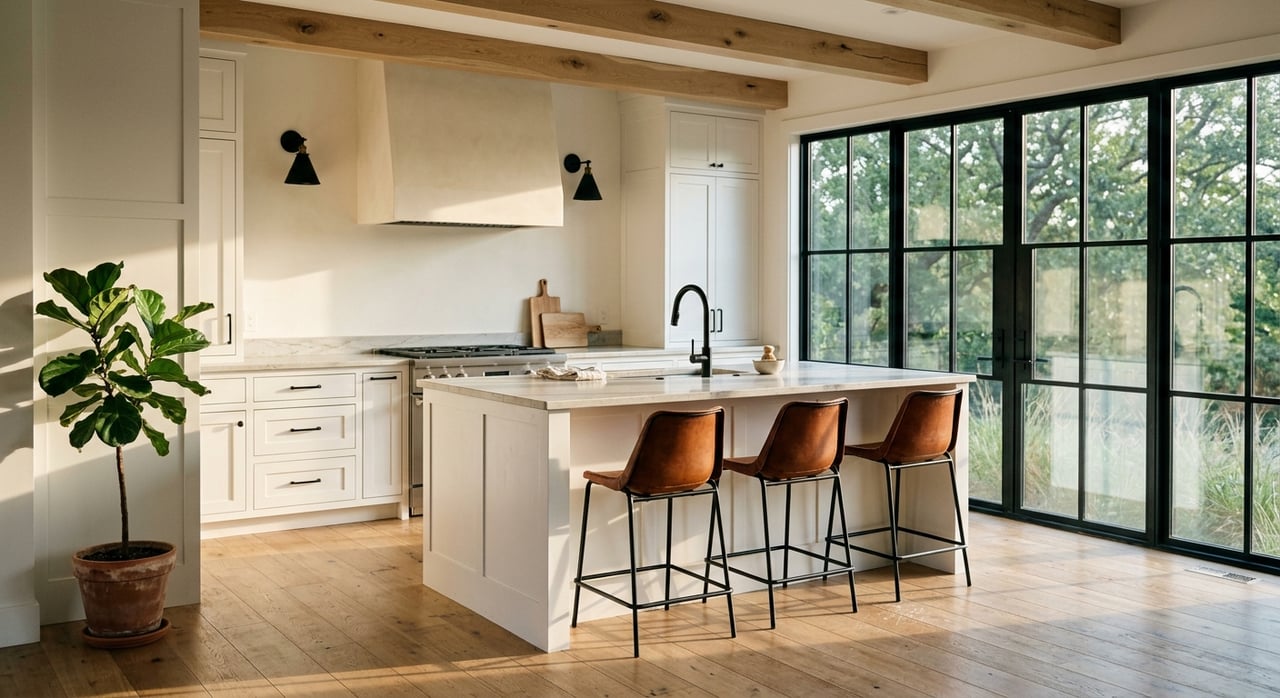
For a Gainesville rural property, photography needs to do more than capture pretty rooms. It should help buyers see layout, condition, views, outdoor living areas, and how the home sits on the land. Clean, well-planned images can make the property easier to understand and more memorable when buyers are comparing multiple listings online.
Drone footage adds land context
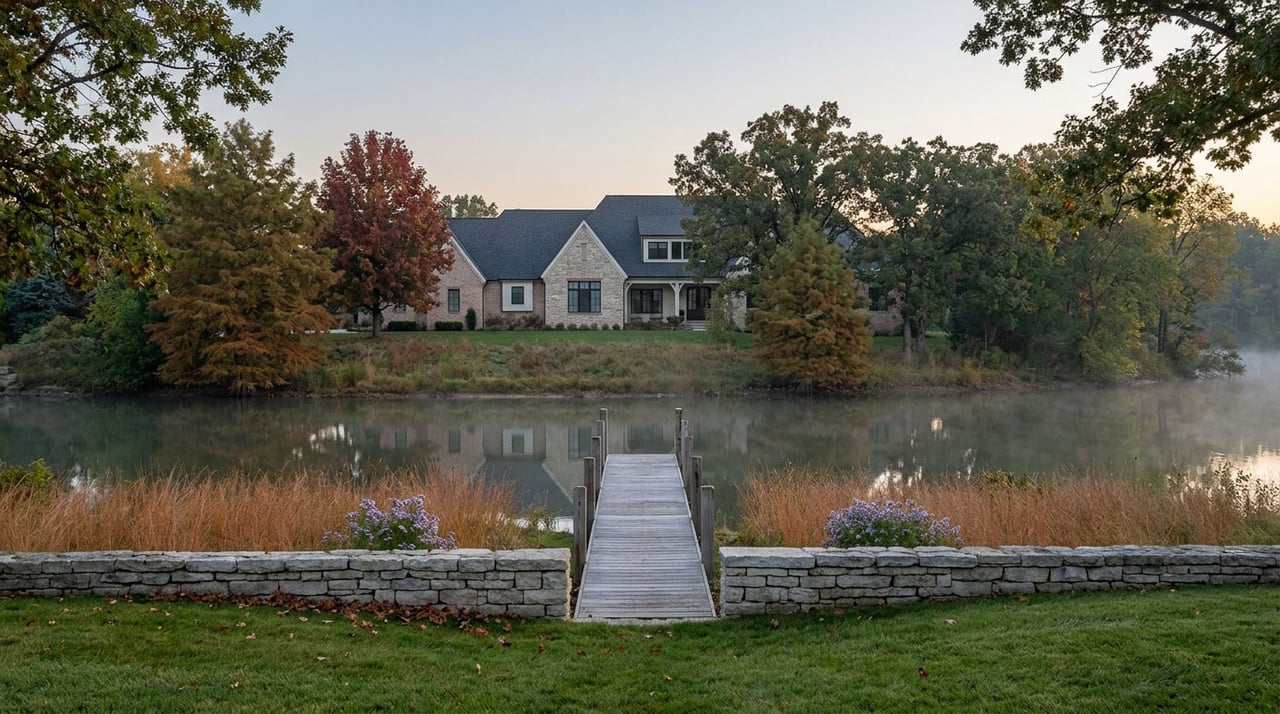
Aerial imagery is especially useful for rural and acreage listings because it shows what ground-level photos cannot. According to NAR’s field guide to drones and real estate, drone marketing helps buyers see the house, roof, yard, surrounding area, and views from multiple angles.
That kind of coverage can be valuable in Gainesville and Cooke County, where buyers may want to evaluate drive access, fencing, ponds, tree cover, barns, shops, or the relationship between the home and neighboring uses. If your property has features that add utility or appeal, aerial visuals can make those benefits easier to understand before a showing is ever scheduled.
Detailed listing copy helps buyers stay engaged
Once buyers click into a listing, the description helps decide whether they keep reading, save it, share it, or move on. NAR notes that listing descriptions influence whether buyers believe a property is worth touring. That matters even more when you are selling a rural property with features that may not be obvious from photos alone.
For many Gainesville-area acreage listings, buyers want answers to practical questions such as:
- How many acres are included
- What type of access the property has
- Whether there is a septic system or private well
- What outbuildings or improvements are on site
- How the land is laid out and used
- Whether zoning or land-use factors may affect future plans
When this information is presented clearly, buyers can better judge whether the property fits their needs. That can lead to more informed showings and fewer basic questions later.
Presentation still matters on rural homes
Some sellers assume staging or presentation planning matters only for suburban homes, but that is not the case. NAR’s 2025 Profile of Home Staging snapshot found that 83% of buyers’ agents said staging made it easier for buyers to visualize a property as a future home. It also found that 60% said staging affected some buyers at least some of the time.
On a rural property, presentation does not have to mean over-designing the home. Often, it means creating visual order, reducing distractions, and making it easier for buyers to focus on the layout, condition, and connection between indoor and outdoor spaces. A tidy barn area, a clean entry, and uncluttered rooms can all help the property show more clearly.
Early online exposure matters more than ever
Buyers are starting online, and many make early decisions there. NAR’s 2024 buyer and seller report found that 43% of buyers first looked for homes on the internet, and 51% found the home they bought online. The report also noted that buyers spent a median of 10 weeks searching, and 55% said finding the right property was the hardest part of the process.
That tells you something important as a seller. If your listing launches with weak photos, vague details, or slow communication, you may lose attention before a buyer ever asks a question. A boutique launch plan focuses on getting the media, description, and exposure right at the beginning, when the first few days matter most.
Targeted promotion beats passive exposure
NAR’s online visibility guidance says the first days after a listing goes live are especially important, and that targeted social, email, and community sharing can help generate traction. In a rural market, that matters because the likely buyer pool may be narrower than it is for a standard in-town home.
A more tailored approach helps your property reach people who are actually looking for acreage, lifestyle features, or land-based value. That is a smarter strategy than relying on a basic MLS entry alone and hoping the right buyer eventually stumbles across it.
Rural due diligence can protect your sale
One of the biggest advantages of a well-planned boutique strategy is that it can address key questions before negotiations become stressful. Rural properties often involve systems and records that buyers want to understand clearly.
The EPA explains that in rural areas, there is a high likelihood a home is served by a septic system, and many septic-system owners also have a private well. The EPA also states that septic systems should be inspected before purchase, while EPA and CDC guidance recommends annual well testing. When you already have useful records organized, buyers may feel more confident moving forward.
For sellers, that can mean gathering items such as:
- Septic permits or available system records
- Well-testing history
- Maintenance records
- Information about major improvements or repairs
- Documents tied to outbuildings or site improvements when available
Clear documentation does not replace inspections, but it can reduce uncertainty and help your transaction move with fewer surprises.
Agricultural appraisal can affect negotiations
If your land has an agricultural use history, tax status is another detail worth reviewing before you list. The Texas Comptroller explains agricultural appraisal rules, including that qualifying land is taxed on productivity value rather than market value and that a switch to non-agricultural use can trigger rollback taxes for the previous three years.
That does not mean every rural seller will face the same issue, but it does mean this topic can influence buyer questions and negotiations. Knowing where your property stands before it hits the market can help you answer those questions more clearly.
Why local expertise matters in boutique marketing
Boutique marketing works best when it is backed by practical property knowledge. For acreage homes, buyers are often trying to assess more than style and price. They may be thinking about fencing, outbuildings, water, access, maintenance, or how much of the land is actually usable.
That is where a local, hands-on approach adds value. A seller benefits from working with someone who understands rural property use, knows what details buyers tend to ask about, and can help shape a marketing plan around the property instead of forcing the property into a generic template.
What Gainesville sellers should look for
If you are interviewing agents for a rural sale, it helps to look past the promise of broad exposure and ask how the property will actually be presented. NAR’s 2024 report found that sellers placed the highest priority on marketing the home, pricing competitively, and selling within a specific timeframe. Those priorities line up closely with a boutique strategy built around planning and communication.
Here are a few smart questions to ask:
- How will you market the land, not just the house?
- Will the listing include professional photography and aerial imagery?
- How will you present practical details like utilities, access, or improvements?
- What is your plan for the first few days on the market?
- How will you help prepare for buyer questions about wells, septic, or tax status?
The goal is simple. You want a strategy that makes your property easier to understand, easier to trust, and easier for the right buyer to say yes to.
If you are thinking about selling acreage, a ranch property, or a rural home in the Gainesville area, working with Lauren McCambridge gives you a practical, high-touch approach built around the realities of land and lifestyle properties.
FAQs
How does boutique marketing help Gainesville rural sellers?
- Boutique marketing helps Gainesville rural sellers present the home, land, and improvements more clearly through strong visuals, detailed listing information, and targeted early exposure.
Why do Gainesville acreage homes need more than standard listing photos?
- Gainesville acreage homes often include land features such as access points, fencing, ponds, outbuildings, and layout details that standard photos may not fully show.
What property details matter most to buyers of rural homes in Cooke County?
- Buyers of rural homes in Cooke County often look for clear information about acreage, utilities, septic or well status, access, improvements, and possible land-use considerations.
Should Gainesville rural sellers prepare septic and well records before listing?
- Yes, Gainesville rural sellers can benefit from organizing septic, well, and maintenance records early because those details often come up during buyer due diligence.
Can agricultural appraisal affect a rural property sale in Texas?
- Yes, agricultural appraisal can affect a rural property sale in Texas because changes in land use may trigger rollback taxes, so it is smart to review that status before listing.