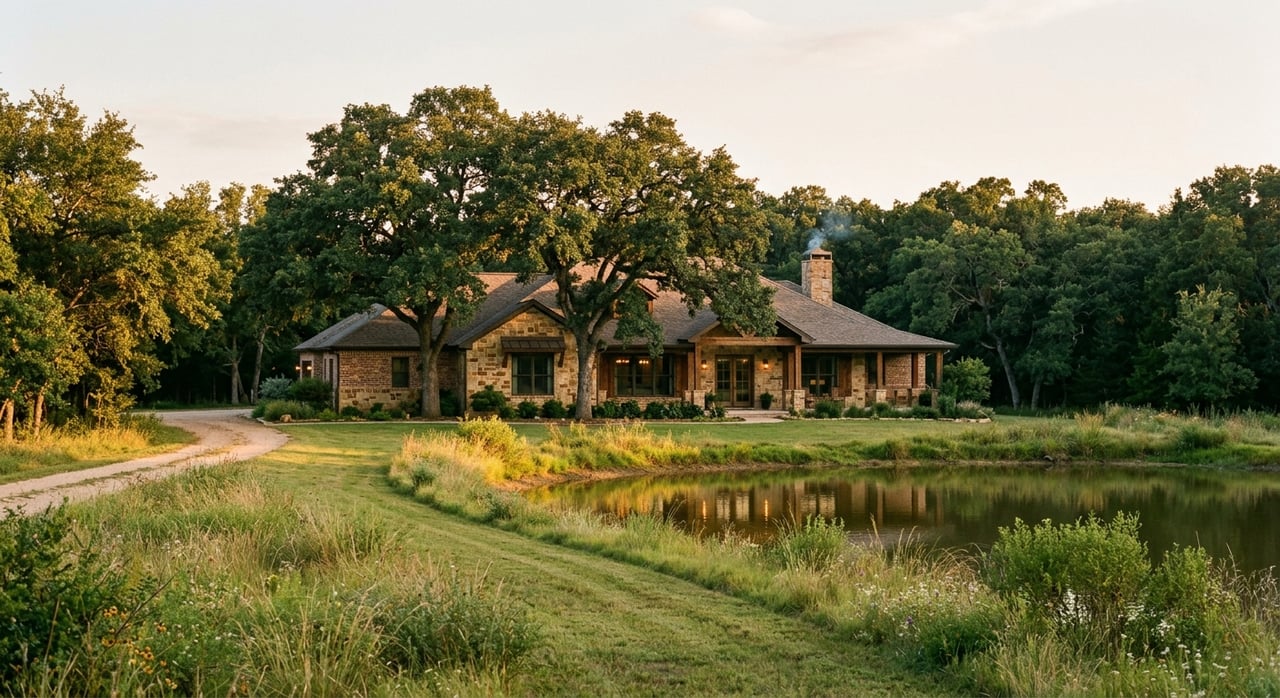
Picture this: an easy hour from Dallas or Plano, you roll through a ranch gate, unload the ATVs, and watch the sun dip behind oak-studded pastures. If you have been craving a simple weekend base for hunting, riding, or family time, Valley View in southern Cooke County keeps coming up for a reason. You want clear answers on access, utilities, wells and septic, taxes, and what to check before you buy. This guide walks you through the local details that matter so you can secure land that fits your lifestyle and budget. Let’s dive in.
Why Valley View works for weekend land
Close to Dallas and Plano
Valley View sits in southern Cooke County, roughly 55 to 65 miles north of central Dallas or Plano. That puts many tracts at about a 60-mile drive, a realistic half-day or weekend trip for DFW buyers. You can confirm typical distances using this Dallas-to-Valley View drive reference.
Access and road types
Recreational parcels here are served by a mix of county roads, Farm-to-Market roads, and private drives. Before you fall in love with a tract, confirm there is recorded, deeded access and who maintains the road. Review Cooke County’s Subdivision Regulations and the recorded plat so you know whether access is by public road, a dedicated subdivision street, or a private easement.
Nearby public recreation
You can expand your options with public-land programs. The Texas Parks and Wildlife Department runs seasonal public hunts, including opportunities associated with Ray Roberts Lake State Park units. If hunting is a priority, confirm draw rules and access windows through TPWD’s public hunt program updates.
Utilities and services: what to expect
Inside city limits
If your tract sits inside Valley View city limits, you may have access to municipal water and sewer. The city manages building permits, utility billing, and local codes. Start with the city’s page on water and utilities to confirm meter size, connection requirements, and current capacity notes.
Outside city limits: well and septic
Most rural parcels rely on private water wells and on-site sewage systems. Cooke County processes septic permits through its Rural Septic Department. Plan for a site evaluation and any permitting costs through the county’s Rural Septic Department. For wells, request the driller’s log and any yield tests from the seller, then order independent lab testing for bacteria and basic chemistry. The Texas Water Development Board explains sampling and typical costs in its private well testing guidance.
Power, trash, and emergency services
Electric service varies by exact location and provider. Confirm the serving utility, any line extension or meter requirements, and whether new easements are needed. Inside city limits, Valley View contracts trash service; outside the city, trash, EMS, and fire protection may be provided by nearby towns, volunteer departments, or county services. City utility pages are a good starting point for service context and contacts.
Internet and cellular
Expect a mix of rural fixed wireless, cellular-based options, and satellite. Performance changes with tree cover and elevation, so test your carrier’s signal on site. For a quick scan of likely providers, review Cooke County listings on this local ISP summary. Satellite, including Starlink, can be a practical fallback for weekend use.
Land characteristics and rules
Parcel size and use fit
You will see a range of tracts, from 5 to 20-acre weekend parcels to 40 to 100-plus acre ranch pieces. Match your plans to the land. ATV trails need sensible access and drainage, small cabins need suitable soils and a workable building site, and livestock needs usable pasture, fencing, and water.
Zoning, subdivision, and permits
Unincorporated areas of Cooke County do not have city-style zoning. They do enforce subdivision rules, floodplain requirements, and septic permitting. Inside Valley View, city ordinances and permits apply. Always confirm whether the property is inside city limits on the plat and through the county, then review county Subdivision Regulations so you understand driveway, drainage, and other development requirements.
Floodplain and drainage
Flood risk affects insurance and where you can build. Cooke County publishes a county floodplain map you can reference before you finalize a building site. Review the Cooke County Floodplain Map and verify site specifics with a surveyor. You can also consult FEMA’s Map Service Center for parcel-level designations.
Soils, pasture, and buildability
Soil type influences everything from driveways to septic systems. Clay layers, slope, and shallow bedrock can add cost to roadwork or limit where a drainfield can go. Use NRCS Web Soil Survey as a planning tool to gauge drainage, erosion potential, and pasture productivity, then follow with on-site testing during inspections.
Property taxes and special appraisals
Many recreational owners manage for wildlife or keep limited livestock. In Texas, qualifying land may receive agricultural or wildlife management valuation that can reduce taxes. Cooke County Appraisal District provides forms and guidance. Start with the Cooke County Appraisal District to confirm eligibility criteria and understand any rollback implications if use changes.
On-site checklist for recreational tracts
Title and access
- Confirm recorded access on the plat or by easement. Drive the full route, note gates and locks, and identify maintenance responsibility.
- Ask the seller and title company about any deed restrictions or HOA rules that limit cabins, ATV use, livestock, or short-term rentals.
Roads and driveways
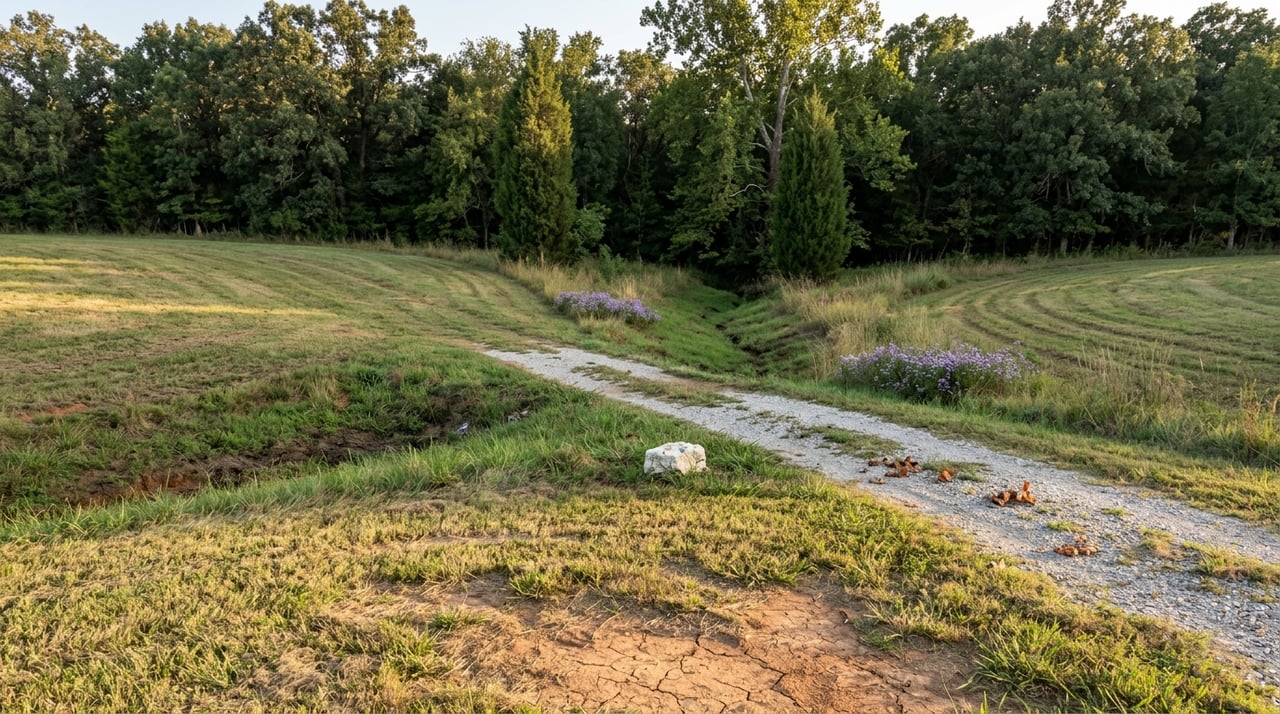
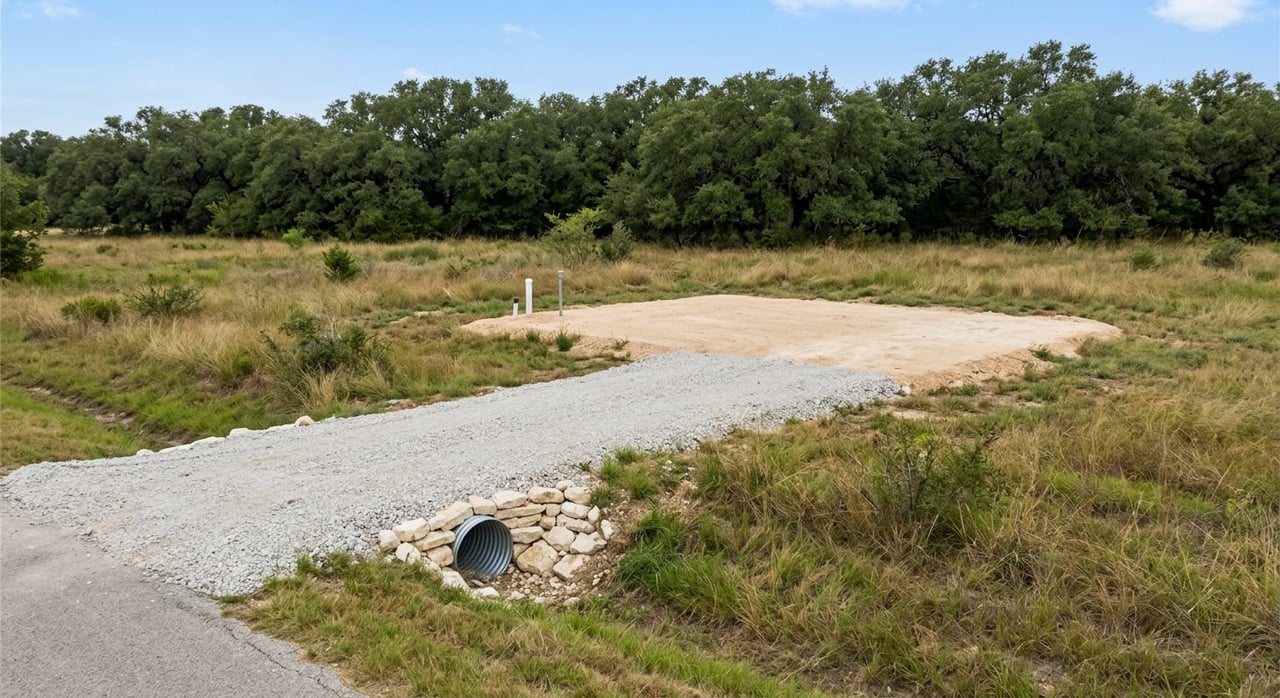
- Check approach angles and turn radius for trailers and boats. Evaluate drainage, low spots, and culvert sizing.
- For wet or sloped ground, budget for gravel, additional culverts, and periodic grading.
Structures: cabins and barns
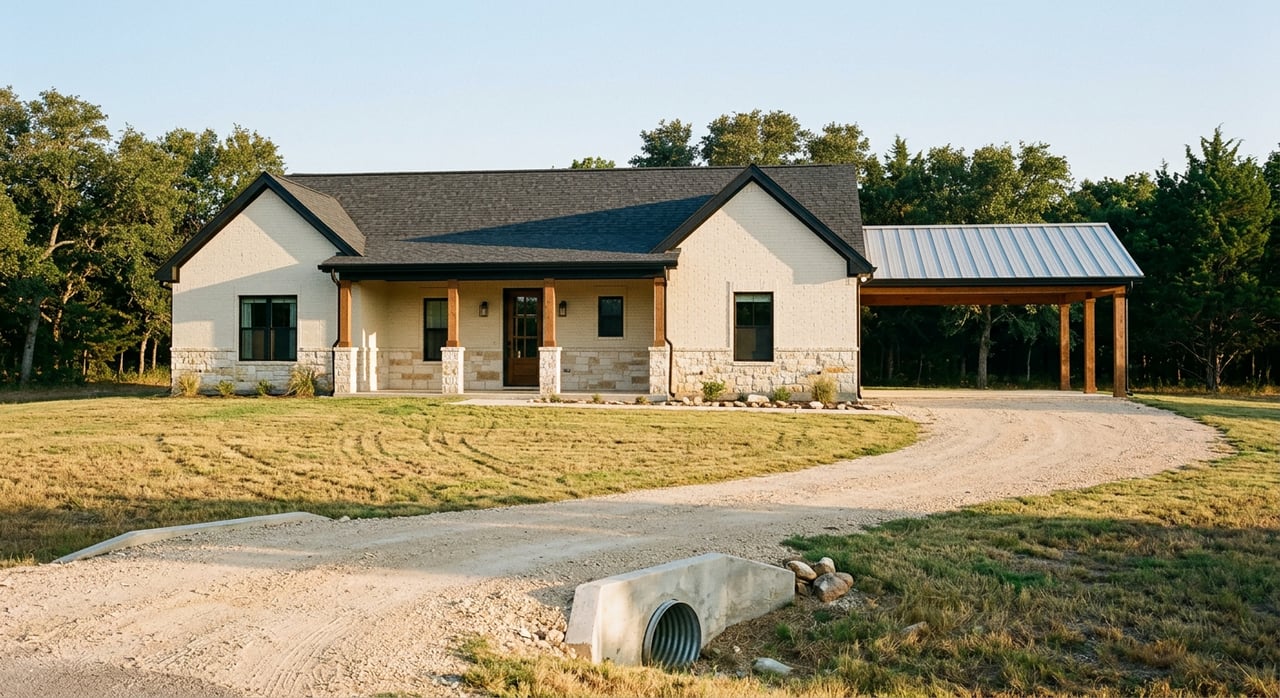
- Inspect roof, foundation, electrical service, and signs of water intrusion. Verify permit history and certificates of occupancy if the tract is inside city limits. See Valley View’s permits page for local process details.
Septic systems
- Request as-built diagrams and pump records. Order an inspection by a licensed provider. If records are missing, plan for a percolation or soil evaluation and assume potential upgrade costs. Permitting is through the county Rural Septic Department.
Well and water
- Obtain the driller’s log and any yield or water quality data. Test for total coliform and E. coli and consider a basic chemical panel. Follow TWDB’s private well testing guidance.
Fences and pasture
- Walk fence lines, look for gaps or rot, and assess brush encroachment. Verify reliable water access for any planned grazing.
Wildlife and nuisance species
- Expect white-tailed deer and feral hogs in this region. Ask about recent hog damage and any control efforts. For structured hunting, review TPWD’s public hunt program updates.
A step-by-step due diligence plan
- Confirm boundaries, access, and restrictions. Pull the recorded plat, check for a public road or recorded easement, and ask the title company for a preliminary commitment that shows any mineral reservations. Verify deed restrictions early.
- Verify city limits versus county. If the parcel is inside Valley View, ask City Hall about water, sewer, and permit steps using the water and utilities page as a starting point. If outside, follow county rules and Subdivision Regulations.
- Order septic and well evaluations. Schedule a septic inspection and soils evaluation, and submit any needed permitting through the county Rural Septic Department. Order a well test following TWDB’s private well testing guidance.
- Review soils and flood risk. Use NRCS Web Soil Survey for planning, then validate in the field. Check the county floodplain map and consult a surveyor for site-specific elevation data.
- Confirm power and connectivity. Identify the serving electric utility, ask about line extensions, meters, and easements, and test cellular signals on site. For potential ISPs, scan options using this Cooke County provider summary.
- Align land use with tax strategy. If you plan wildlife management or grazing, discuss special appraisal eligibility and rollback considerations with the Cooke County Appraisal District.
- Collect contractor bids. Price driveway work, culverts, septic installation or upgrades, well service, and electrical extensions before closing. For general septic cost context, request local bids and compare to broad market guides.
Budgeting early improvements
Even simple recreational setups can require meaningful startup spend. Common line items include gravel and culverts for a reliable all-weather drive, gate and fencing repairs, potable water solutions, a basic cabin electrical setup, and septic updates. If your soils are marginal, plan for an engineered system and higher costs. A few timely bids can prevent surprises and let you phase work in a way that fits your calendar and budget.
How a local, construction-savvy agent helps
Buying land is different from buying a house. You need clear answers on wells and septics, road work and drainage, fencing and pasture, and how the rules change inside or outside city limits. That is where a local, land-focused agent with hands-on construction experience makes a real difference. From reading plats and permit histories to walking fence lines and flagging red flags in a barn or cabin, you want a guide who can help you budget accurately and negotiate repairs or credits with confidence.
With a boutique, client-first approach across Cooke County and North Texas, Lauren brings practical expertise and local relationships to help you move from idea to weekend-ready reality. If you are considering a tract near Valley View, you will get straight talk, smart sequencing, and a clear, step-by-step plan from offer through closing.
Ready to explore recreational acreage near Valley View? Reach out to Lauren McCambridge to start a focused search, set a due diligence plan, and buy with confidence.
FAQs
How far is Valley View from Dallas?
- Valley View is commonly cited at roughly 55 to 65 miles north of central Dallas or Plano, or about a 60-mile drive depending on route.
Do I need a permit to build a cabin near Valley View?
- Inside Valley View city limits, you will follow city permits and utility rules. Outside city limits, Cooke County subdivision, floodplain, and septic rules apply. Check the city’s permits page and the county’s Subdivision Regulations early.
Is there public hunting access near Valley View?
- Texas Parks and Wildlife offers seasonal public hunts, including opportunities associated with Ray Roberts Lake State Park units. Review TPWD’s public hunt program updates for current options.
How do I check if a tract is in a floodplain?
- Start with the county’s Floodplain Map, then confirm specifics with a surveyor. You can also consult FEMA’s Map Service Center for parcel-level designations.
Can I lower property taxes with ag or wildlife valuation?
- Possibly, if your land qualifies for agricultural or wildlife management valuation. Contact the Cooke County Appraisal District to confirm eligibility and understand any rollback implications.
Will I get reliable internet on rural acreage?
- It depends on location and tree cover. Test your carrier’s signal on site, check fixed wireless options, and keep satellite as a fallback. This Cooke County provider summary can help you start a shortlist.